

AFFA 成功代理广州小鹏汽车科技有限公司,在印度尼西亚最高法院成功认定 XPENG 为驰名商标 - AFFA IPR

AFFA 成功代理广州小鹏汽车科技有限公司,在印度尼西亚最高法院成功认定 XPENG 为驰名商标

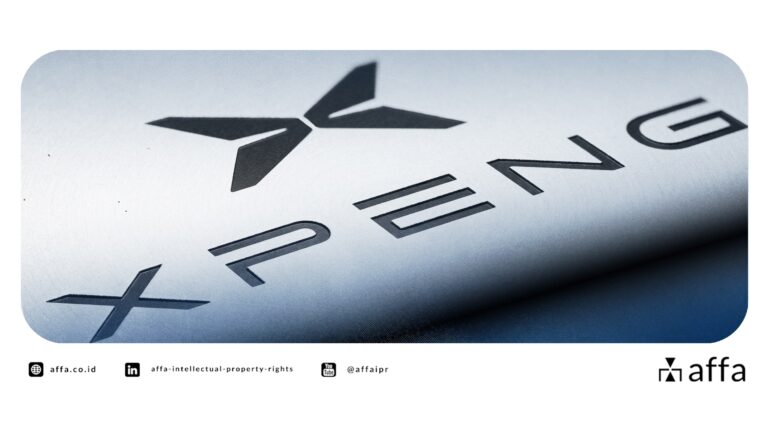
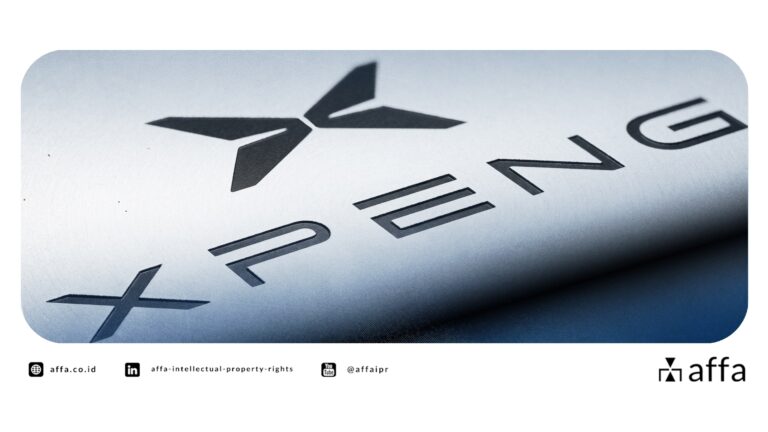
印度尼西亚对于**驰名商标(Well-Known Trademark)**的保护再次获得重要司法确认。在印度尼西亚最高法院第 41 K/Pdt.Sus-HKI/2026号判决中,由 AFFA Intellectual Property Rights 代理的广州小鹏汽车科技有限公司在再审(Cassation)程序中胜诉,并成功获得法院裁定,确认 XPENG 构成驰名商标,依法享有印度尼西亚法律保护。   该判决充分体现了国际声誉证据、广泛的商标使用情况以及完善的举证策略,如何能够说服最高法院对驰名商标权利人给予法律保护,对知识产权领域具有重要参考意义。   案件背景   本案起因于广州小鹏汽车科技有限公司(XPENG)向印度尼西亚法院提起商标无效诉讼,请求撤销他人名下注册的两件印度尼西亚商标,即注册号 IDM000955526 和 IDM000948231。   原告认为,上述商标与其已在全球多个国家和地区长期使用并注册的 XPENG 商标构成实质性近似,容易导致公众混淆。   在一审阶段,雅加达中央商业法院驳回了原告的诉讼请求。然而,在 AFFA 团队的代理下,案件进一步上诉至印度尼西亚最高法院,请求对一审法院适用法律的正确性进行审查。   最高法院认定 XPENG 为驰名商标   在判决理由中,最高法院认定广州小鹏汽车科技有限公司已经充分证明 XPENG 属于驰名商标。   合议庭法官重点考虑了以下事实: XPENG 商标已在中国、美国、英国、澳大利亚、新加坡、马来西亚、中国香港、欧盟、南非、新西兰等多个国家和地区获得注册; XPENG 在全球范围内开展了广泛的市场推广活动; 公司获得了多项行业奖项及市场认可; XPENG 在境外多个商标争议案件中成功维护了自身商标权利。   最高法院认为,驰名商标的认定需要综合考察多项因素,不仅包括商标注册证书,还应包括市场声誉、公众认知度以及国际商业信誉等证据。   商标近似成为关键认定因素   最高法院进一步认定,被告注册的商标与 XPENG 商标构成实质性近似。   法院指出,双方商标最显著的共同特征均为 “X PENG” 这一文字元素,其字母排列完全相同,发音也基本一致。因此,相关公众极有可能对两者产生相同或关联性的印象。   这一认定符合印度尼西亚商标法长期适用的原则,即当两个商标具有相同或高度相似的显著识别部分,并可能导致消费者产生联想或混淆时,即可认定构成“主要部分近似”(substantial similarity)。   被诉商标被认定为恶意注册   除认定商标近似外,最高法院还认定被告提交的商标申请属于恶意注册(Bad Faith Registration)。   法院认为,被告试图模仿并借用 XPENG 商标已在国际市场建立的声誉和影响力。虽然涉案商标此前已在印度尼西亚获得注册,但由于其注册行为具有恶意,因此仍应依法予以撤销。   最高法院支持 XPENG 的全部诉讼请求   基于案件事实及提交的证据,最高法院最终裁定:   支持广州小鹏汽车科技有限公司提出的再审申请; 撤销雅加达中央商业法院原判; 认定被告商标与 XPENG 商标构成实质性近似; 认定被告属于恶意注册; 撤销注册号 IDM000955526 及 IDM000948231 商标; 命令将上述商标自印度尼西亚商标总登记簿中删除。   驰名商标案件中证据的重要性   本案再次表明,驰名商标地位并不会自动获得认可。商标权利人仍需通过充分证据证明其商标在多个司法辖区内的使用情况、市场推广、品牌声誉以及权利归属。   值得注意的是,在雅加达中央商业法院于 2025年5月8日 作出一审判决后不到一年,印度尼西亚最高法院便于 2026年4月8日 作出第 41 K/Pdt.Sus-HKI/2026 号判决,推翻原判并支持广州小鹏汽车科技有限公司的全部诉讼请求。   广州小鹏汽车科技有限公司能够成功证明 XPENG 为驰名商标,离不开系统化的举证策略以及充分展现品牌全球影响力的证据材料。   对于商标从业人士、品牌所有人及企业经营者而言,本案为理解印度尼西亚法院如何认定驰名商标、判断商标近似以及审查恶意注册行为提供了重要参考。   如需了解有关印度尼西亚商标争议、商标保护或其他知识产权事务的法律服务,欢迎通过以下方式联系我们,并预约15分钟免费咨询服务。   📩 电子邮件:[email protected] 📞 电话预约:+62 21 83793812 💬 WeChat:@AFFAIPR   关于 AFFA: AFFA 知识产权事务所成立于1999年,是一家总部位于印度尼西亚的精品知识产权律师事务所,专注为国际品牌与创新者提供全方位服务,包括申请注册、许可授权、执法维权及商业化支持,助力客户在印尼不断发展的知识产权环境中稳健发展。   本所因卓越表现广受认可,荣获 Asia Business Law Journal 颁发的“2025年度印度尼西亚最佳精品律师事务所”及“知识产权执法事务所”称号,并入选 WTR 1000 “2024年度推荐事务所(印度尼西亚)”。 更多信息请访问:www.affa.co.id

AFFA Successfully Represents Guangzhou Xiaopeng Motors Technology Co., Ltd. in Establishing XPENG as a Well-Known Trademark in Indonesia - AFFA IPR

AFFA Successfully Represents Guangzhou Xiaopeng Motors Technology Co., Ltd. in Establishing XPENG as a Well-Known Trademark in Indonesia

The protection of Well-Known Trademarks has once again been reaffirmed in Indonesia. In Supreme Court Decision No. 41 K/Pdt.Sus-HKI/2026, Guangzhou Xiaopeng Motors Technology Co., Ltd., represented by AFFA Intellectual Property Rights, successfully prevailed at the cassation level and obtained a ruling recognizing XPENG as a Well-Known Trademark entitled to legal protection in Indonesia.   This decision serves as an important example of how evidence of international reputation, extensive Trademark use, and a well-structured evidentiary strategy can persuade the Supreme Court to grant protection to the owner of a Well-Known Trademark.   Background of the Dispute   The case began when Guangzhou Xiaopeng Motors Technology Co., Ltd., the Chinese electric vehicle manufacturer known under the XPENG brand, filed a Trademark cancellation action against two Trademark registrations in Indonesia registered under another party’s name, namely Registration Nos. IDM000955526 and IDM000948231. According to the Plaintiff, both registrations bore substantial similarity to the XPENG Trademark, which had already been used and registered in numerous countries around the world.   At the first instance, the Commercial Court of Central Jakarta dismissed the claim. However, through the cassation proceedings handled by the AFFA team, the matter was brought before the Supreme Court for further review of the legal reasoning applied by the lower court.   The Supreme Court Recognizes XPENG as a Well-Known Trademark   In its considerations, the Supreme Court concluded that Guangzhou Xiaopeng Motors Technology Co., Ltd. had successfully demonstrated that XPENG qualifies as a Well-Known Trademark.   The Panel of Justices considered evidence showing that the XPENG Trademark had been registered in numerous jurisdictions, including China, the United States, the United Kingdom, Australia, Singapore, Malaysia, Hong Kong, the European Union, South Africa, New Zealand, and several other countries. In addition, the Supreme Court took into account extensive international promotional activities, awards received by the company, and XPENG’s successful enforcement of its Trademark rights in disputes abroad.   This reasoning demonstrates that establishing Well-Known Trademark status requires a comprehensive approach, relying not only on Trademark registration certificates but also on evidence of reputation, market recognition, and international goodwill.   Substantial Similarity Became a Decisive Factor   The Supreme Court further found that the Trademarks registered by the Defendant were substantially similar to the XPENG Trademark.   According to the Court, the dominant element of both marks was the term “X PENG,” consisting of the same sequence of letters and producing the same pronunciation. Consequently, the Supreme Court held that the two marks were likely to create a similar overall impression among consumers.   This assessment is consistent with established principles of Indonesian Trademark law, under which substantial similarity may be found where Trademarks share dominant elements capable of creating an association or connection in the minds of consumers.   Registration Filed in Bad Faith   In addition to finding substantial similarity, the Supreme Court also concluded that the Defendant’s Trademark registrations had been filed in bad faith.   The Court determined that the registrations constituted an attempt to imitate or take advantage of the reputation of the XPENG Trademark, which had already gained recognition and protection in numerous countries. Therefore, despite having previously obtained administrative registration in Indonesia, the registrations remained subject to cancellation through legal proceedings.   The Supreme Court Grants XPENG’s Claims   Based on the evidence presented, the Supreme Court ultimately:   Granted the cassation petition filed by Guangzhou Xiaopeng Motors Technology Co., Ltd.; Overturned the decision of the Central Jakarta Commercial Court; Declared that the Defendant’s Trademarks were substantially similar to the XPENG Trademark; Declared that the Defendant had registered the Trademarks in bad faith; Cancelled Trademark Registration Nos. IDM000955526 and IDM000948231; and Ordered the removal of both registrations from the General Register of Trademarks.   The Importance of Evidence in Well-Known Trademark Disputes   This case demonstrates that Well-Known Trademark status is not granted automatically. Trademark owners must still be able to prove their reputation, use, promotion, and ownership of rights across multiple jurisdictions.   Less than one year after the Central Jakarta Commercial Court rendered its decision on May 8, 2025, the Supreme Court, through Decision No. 41 K/Pdt.Sus-HKI/2026 dated April 8, 2026, overturned the lower court’s ruling and granted all claims brought by Guangzhou Xiaopeng Motors Technology Co., Ltd.   In this matter, Guangzhou Xiaopeng Motors Technology Co., Ltd.’s success in establishing XPENG as a Well-Known Trademark was supported by a comprehensive evidentiary strategy and the presentation of evidence demonstrating the brand’s global reputation before the Court.   For Trademark practitioners and businesses alike, this decision serves as an important reference on how Indonesian courts assess Well-Known Trademark status, substantial similarity, and bad faith in Trademark cancellation proceedings.   For further information regarding legal representation in Trademark disputes or other Intellectual Property matters in Indonesia, please contact us through our channels below and take advantage of our complimentary 15-minute consultation:   📩 E-Mail : [email protected] 📞 Book a Call : +62 21 83793812 💬 WhatsApp : +62 812 87000 889   About AFFA:  Established in 1999, AFFA Intellectual Property Rights is an Indonesia-based boutique IP law firm serving international brands and innovators, offering full-service support—from prosecution and licensing to enforcement and commercialization—in Indonesia’s dynamic IP landscape. Our firm is widely recognized for its excellence, with accolades including “Best Boutique Law Firm in Indonesia” and “IP Enforcement Firm” at the Indonesia Law Firm Awards 2025 by Asia Business Law Journal, as well as being listed as a “Recommended Firm 2024 — Indonesia” by WTR 1000: The World’s Leading Trademark Professionals. For more information, please visit: www.affa.co.id.

Why “We’ll Register Later” Is the Most Expensive Decision a Company Can Make in Indonesia - AFFA IPR

Why “We’ll Register Later” Is the Most Expensive Decision a Company Can Make in Indonesia

For many startups and expanding businesses, Intellectual Property registration is often treated as an administrative task that can be postponed until “later.”   The product launch comes first. The marketing campaign comes first. Distribution comes first. Fundraising comes first. But for Trademark registration? “We’ll handle it later.”   Unfortunately, in Indonesia, that single sentence has become one of the most expensive mistakes a company can make.   Indonesia Uses a First-to-File System   In Indonesia, Trademark rights generally belong to: whoever files first —not necessarily whoever used the brand first. This creates serious risks for businesses entering the Indonesian market without securing their Trademark early.   The Distributor Risk Is Real!   One of the most common cases involves: distributors; local partners; resellers; or  manufacturers filing the foreign brand under their own name before the actual owner does.   Once registered, the original brand owner may face: legal disputes; blocked market entry; licensing pressure; or expensive negotiations just to recover their own brand.   The Real Cost Is Not the Filing Fee   Many companies postpone filing to save money. But in practice, delayed registration can lead to: forced rebranding; packaging redesign; litigation costs; marketplace takedowns; investor concerns; and  loss of business opportunities.   We have seen businesses spend far more resolving Trademark disputes than they would have spent filing the Trademark properly from the beginning.   Yes, Bad-Faith Filings Can Be Challenged   Indonesia allows Trademark oppositions and cancellation lawsuits against bad-faith registrations. However, these processes can be costly, time-consuming, and uncertain.   To challenge squatters successfully, companies often need: overseas Trademark registrations; proof of use; promotional evidence; sales data; and  evidence showing prior relationships with the squatter.   Even with strong evidence litigation is still much more expensive than early filing.   Investors Pay Attention to IP Problems   Today, investors and Venture Capitals increasingly examine Trademark ownership, IP portfolios, and legal risks before investing.   An unprotected brand in Indonesia can: delay deals; reduce valuation; and  create major business uncertainty.   The Best Strategy Is Still the Simplest One   The cheapest Trademark dispute is the one that never happens. For companies planning to enter Indonesia, the safest strategy remains: file early; secure the brand first; and  protect the business before expansion begins.   As an Intellectual Property Law Firm in Indonesia, AFFA assists businesses and international brand owners in protecting and enforcing their Trademarks in Indonesia, including anti-squatting strategies, oppositions, cancellations, and cross-border IP protection.   Should you require further information, please feel free to contact us through the channels below to receive a complimentary 15-minute consultation:   📩 E-Mail : [email protected] 📞 Book a Call : +62 21 83793812 💬 WhatsApp : +62 812 87000 889   About AFFA:  Established in 1999, AFFA Intellectual Property Rights is an Indonesia-based boutique IP law firm serving international brands and innovators, offering full-service support—from prosecution and licensing to enforcement and commercialization—in Indonesia’s dynamic IP landscape. Our firm is widely recognized for its excellence, with accolades including “Best Boutique Law Firm in Indonesia” and “IP Enforcement Firm” at the Indonesia Law Firm Awards 2025 by Asia Business Law Journal, as well as being listed as a “Recommended Firm 2024 — Indonesia” by WTR 1000: The World’s Leading Trademark Professionals. For more information, please visit: www.affa.co.id.

Trademark Filings Surge in Bali’s Hospitality: How to Avoid Refusal - AFFA IPR

Trademark Filings Surge in Bali’s Hospitality: How to Avoid Refusal

In recent years, Bali has continued to position itself as one of Southeast Asia’s most dynamic culinary and lifestyle hubs. Alongside the rapid growth of cafés, restaurants, and hospitality businesses, a notable trend has emerged: a sharp increase in Trademark filings—particularly for hospitality services, restaurants, cafés, catering, and temporary accommodation rental.   A Significant Rise in Trademark Applications   Since 2025, Trademark applications in Bali have surged to 3,457 filings, with a strong concentration in Class 43, which covers services such as cafés, restaurants, and food and beverage establishments. Notably, 757 applications fall under this class alone.   This data reflects a clear shift: business owners are no longer treating branding as an afterthought. Instead, they recognize that a Trademark is a core business asset—especially in a highly competitive market like Bali.   Why Café Trademarks Are Increasing   Several structural factors are driving this spike: Intensifying competition among cafés and hospitality brands. Tourism recovery and growth, bringing in both domestic and international consumers. Increased awareness of brand identity and differentiation. Rising cases of brand imitation and disputes are pushing businesses to secure legal protection early.   In an environment where visual identity, naming, and customer perception are critical, failing to protect a Trademark can lead to costly conflicts.   The Risk: Trademark Refusal   Despite the growing number of applications, many are still vulnerable to rejection. The most common reasons include:   Similarity with Existing Trademarks Applications are often rejected due to resemblance—whether in name, pronunciation, or overall impression—to previously registered marks. Lack of Distinctiveness Generic or descriptive names (e.g., “Bali Coffee House” or “Tropical Café”) are difficult to register because they do not clearly distinguish one business from another. Bad Faith Concerns Applications may be refused if there is an indication that the applicant is attempting to imitate or exploit an existing brand’s reputation. Conflict with Well-Known Marks Indonesia applies a broader standard of protection for well-known marks. Even if registered in different classes, a similar mark may still be rejected if it risks association with a recognized brand.   Practical Strategies to Avoid Refusal   To ensure a smooth registration process, brand owners and entrepreneurs should adopt a structured approach:   Conduct a Comprehensive Trademark Search Before filing, it is essential to assess existing registrations. This minimizes the risk of similarity-based refusal. Create a Distinctive Brand Choose a name that is: Unique and creative. Not directly descriptive of the product or service. Capable of building long-term brand equity. File in the Correct Class For cafés, Class 43 is the primary category (Indonesia still uses NICE Classification version 11). However, consider additional classes if you plan to expand into merchandise, packaged goods, or franchising. Prepare Proper Documentation Ensure that all administrative and legal requirements are complete and accurate to avoid procedural delays or rejection. Engage a Trademark Consultant Professional guidance significantly reduces risk—particularly in navigating legal nuances, drafting specifications, and responding to objections.   Trademark Protection Is No Longer Optional   The surge in filings clearly indicates one thing: awareness of Trademark protection is increasing—and so is competition for brand ownership.   Indonesia follows the first-to-file principle, meaning that the party who files first obtains the legal rights—not necessarily the one who uses the mark first.   Act Before It’s Too Late   For business owners worldwide—especially those planning to enter the Indonesian market, with Bali as a key target destination—the message is clear: Awareness of Trademark protection is rising. Competition for brand ownership is intensifying. Delays can result in losing your brand rights entirely.   Register your Trademark now—before someone else does.   Should you need further information regarding the registration of Trademarks in Indonesia, please contact us through the channels below and receive a FREE 15-minute consultation:   📩 E-Mail : [email protected] 📞 Book a Call : +62 21 83793812 💬 WhatsApp : +62 812 87000 889   About AFFA:  Established in 1999, AFFA Intellectual Property Rights is an Indonesia-based boutique IP law firm serving international brands and innovators, offering full-service support—from prosecution and licensing to enforcement and commercialization—in Indonesia’s dynamic IP landscape. Our firm is widely recognized for its excellence, with accolades including “Best Boutique Law Firm in Indonesia” and “IP Enforcement Firm” at the Indonesia Law Firm Awards 2025 by Asia Business Law Journal, as well as being listed as a “Recommended Firm 2024 — Indonesia” by WTR 1000: The World’s Leading Trademark Professionals. For more information, please visit: www.affa.co.id.

AFFA Represents Neo Factory Co., Ltd. (Thailand) in the Invalidation of the D-Nee Trademark Registration in Indonesia

AFFA Represents Neo Factory Co., Ltd. (Thailand) in the Invalidation of the D-Nee Trademark Registration in Indonesia

In an increasingly competitive business landscape, a Trademark is not merely an identity—it is a strategic asset that determines trust, reputation, and business sustainability. However, in practice, not all business actors fully understand the importance of comprehensive Trademark protection from the outset.   A recent decision by the Supreme Court of the Republic of Indonesia, Number 1337 K/Pdt.Sus-HKI/2025 Jo. Number 125/Pdt.Sus-Merek/2024/PN.Niaga.Jkt.Pst, reaffirms this point and serves as an important reminder for businesses not to underestimate the legal aspects of Intellectual Property in Indonesia.   Case Chronology This case arose from the registration of a Trademark in Indonesia by a party whose mark bore substantial similarity to a trademark owned by a Thai trademark owner.   Below is the key timeline:   May 15, 1997 The original owner registered its Trademark in its home country (Thailand) for various Class 3 products such as soap, lotion, and personal care items.  Global Expansion (following years) The Trademark was subsequently registered and used in multiple countries, including China, Malaysia, Bahrain, Cambodia, Laos, the United Arab Emirates, and Vietnam.  December 19, 2018 A party in Indonesia filed a Trademark application with a name and appearance that were substantially similar.  December 4, 2020 The Trademark obtained protection in Indonesia after undergoing the examination process.    At this point, there was a gap of more than 21 years since the original registration by the rightful owner.   December 23, 2024 AFFA, acting as the Plaintiff, filed a lawsuit to invalidate the Trademark registration against the Defendant at the Commercial Court of the Central Jakarta District Court.  March 20, 2025 The Commercial Court at the Central Jakarta District Court issued an initial decision rejecting the claim of the original Trademark owner.  March 27, 2025 A cassation appeal was filed by the original Trademark owner to the Supreme Court.  April 9, 2025 The cassation memorandum was officially received by the court. December 17, 2025 The Supreme Court, at the cassation level, granted the cassation petition filed by AFFA.   In its considerations, the Supreme Court stated that: The Indonesian Trademark had substantial similarity to the original Trademark. The registration was made in bad faith. The act had the potential to create unfair competition and mislead consumers.   Based on these findings, the Supreme Court: Granted the cassation petition; Overturned the previous decision; Declared the Trademark registration in Indonesia invalid; and Ordered its removal from the general Trademark register.   This case highlights one crucial point: Trademark protection is a business strategy, not merely an administrative process. The more than two-decade delay in this case demonstrates that failure to secure rights in a particular country can open opportunities for other parties to take advantage.   At the same time, this decision provides reassurance that the Indonesian legal system continues to protect parties with strong grounds of use and established reputation.   Business actors should consider the following strategic measures: Secure Trademark protection early, including in target expansion countries. Conduct comprehensive clearance searches before filing a Trademark. Build and consistently document brand reputation. Be prepared to enforce rights in the event of infringement.   With the right approach, a Trademark becomes not only a business identity but also a solid foundation for long-term growth.   Proper guidance from the outset will help ensure that each protection step is carried out strategically, minimizing the risk of disputes and preserving business value.   Should you need further information regarding Trademark protection in Indonesia, feel free to contact us through the following channels and receive a FREE 15-minute consultation:   📩 E-Mail : [email protected] 📞 Book a Call : +62 21 83793812 💬 WhatsApp : +62 812 87000 889   About AFFA:  Established in 1999, AFFA Intellectual Property Rights is an Indonesia-based boutique IP law firm serving international brands and innovators, offering full-service support—from prosecution and licensing to enforcement and commercialization—in Indonesia’s dynamic IP landscape. Our firm is widely recognized for its excellence, with accolades including “Best Boutique Law Firm in Indonesia” and “IP Enforcement Firm” at the Indonesia Law Firm Awards 2025 by Asia Business Law Journal, as well as being listed as a “Recommended Firm 2024 — Indonesia” by WTR 1000: The World’s Leading Trademark Professionals. For more information, please visit: www.affa.co.id.

How to Determine a Well-Known Trademark in Indonesia According to the Ministry of Law Regulation No. 5 Year 2026? - AFFA IPR

如何根据2026年第5号法律部长条例认定印度尼西亚的驰名商标?

在当今全球化且竞争激烈的市场环境中,**驰名商标(well-known mark)**在商标保护中发挥着至关重要的作用。与普通商标不同,驰名商标因其卓越的声誉和广泛的认知度,即使在非类似商品或服务类别中,也可获得更广泛的法律保护。   鉴于其重要性,印度尼西亚通过《2026年第5号法律部长条例》(以下简称“该条例”)对商标注册制度进行了完善,并明确规定了认定驰名商标的更清晰、更系统化的标准。   本文将概述该条例下用于评估驰名商标地位的关键因素。   驰名商标认定的法律依据   根据该条例,驰名商标的认定标准规定于第36条。该条例并未依赖单一标准,而是采用多因素综合评估方法,确保驰名商标的认定基于全面且客观的考量。   驰名商标认定的主要标准   公众认知程度 首要考虑因素是商标在公众中的知名程度,尤其是在相关行业领域内的认知度。若商标具备以下特点,则可能被认定为驰名商标: 具有较高的品牌记忆度 在消费者中具有广泛认知 在所属行业中具有显著影响力 该因素体现了一个核心原则:驰名商标必须是广为人知的,而不仅仅是完成注册的商标。 销售额及盈利能力 另一关键指标是商标的商业表现,包括: 商品或服务的销售额 商标使用所产生的利润 良好的商业表现表明该商标已获得市场的广泛认可并具有较高的经济价值。 市场份额 该条例还考虑商标所占据的市场份额。较高或主导性的市场份额意味着: 商标具有较强的竞争力 在行业中占据重要地位 该因素反映了商标在市场中的经济影响力。 使用地域范围 商标的使用范围越广,其被认定为驰名商标的可能性越高,包括: 在印度尼西亚境内的覆盖范围 在多个国家或地区的国际使用 跨越地域界限的商标更容易被认定为驰名商标。 使用期限 商标的使用时间长短也是重要考量因素。长期持续使用的商标: 展现稳定性 建立消费者信任 强化品牌认知 这一因素体现了时间在建立品牌声誉中的累积价值。 宣传力度与投入 该条例还评估商标的推广活动,包括: 广告宣传 市场营销策略 品牌建设投入 持续且高强度的推广有助于显著提升商标的知名度和声誉。 境外商标注册情况 国际注册是一个重要的辅助因素。若商标在多个国家或地区获得注册或申请注册,尤其是在发达市场中,则表明其具有全球认知度,并有助于强化其驰名商标地位。 执法与法律认定情况 商标维权成功与否同样具有参考价值,包括: 法院判决 行政裁定 官方机构的认定 已被权威机构认定为驰名商标的情况具有重要的证据效力。 内在价值与声誉 最后,该条例还考虑商标的内在价值,包括: 品牌声誉 消费者信任 商品或服务的质量保证 该因素体现了品牌资产中无形但关键的价值。   整体评估方法   需要强调的是,该条例并不要求同时满足所有标准。相反,驰名商标的认定基于整体性评估,即: 各项因素在具体情境下综合考量 依据整体证据的强度进行判断   这种灵活的方法使监管机构能够适应不同行业及商业模式。   对品牌所有人的启示   该条例通过明确标准,为品牌所有人提供了更高的法律确定性,同时也传递了一个重要的战略信息:   “驰名商标的形成,并非行政认定的结果,而是长期商业经营、市场推广与法律保护共同作用的成果。”   为了巩固其市场地位,品牌所有人应: 持续投入品牌建设 扩大市场覆盖范围 维护完善的商标注册体系 积极进行权利维权   总体而言,该条例为印度尼西亚驰名商标的认定建立了一个全面且结构化的法律框架。   通过综合考虑公众认知、商业表现、地域覆盖以及法律执行等因素,该条例确保只有真正具备市场影响力和品牌声誉的商标,才能获得驰名商标的认定。   对于企业而言,这再次强调了一个关键理念: 知识产权,尤其是商标,不仅仅是法律形式,更是一项必须长期经营、保护并加以运用的战略性资产。   如果您需要了解更多关于印尼驰名商标保护方面的信息,请通过以下渠道联系我们,即可获得15分钟的免费咨询:   📩 电子邮件:[email protected] 📞 电话预约:+62 21 83793812 💬 WeChat:@AFFAIPR   关于 AFFA: AFFA 知识产权事务所成立于1999年,是一家总部位于印度尼西亚的精品知识产权律师事务所,专注为国际品牌与创新者提供全方位服务,包括申请注册、许可授权、执法维权及商业化支持,助力客户在印尼不断发展的知识产权环境中稳健发展。   本所因卓越表现广受认可,荣获 Asia Business Law Journal 颁发的“2025年度印度尼西亚最佳精品律师事务所”及“知识产权执法事务所”称号,并入选 WTR 1000 “2024年度推荐事务所(印度尼西亚)”。 更多信息请访问:www.affa.co.id

How to Determine a Well-Known Trademark in Indonesia According to the Ministry of Law Regulation No. 5 Year 2026? - AFFA IPR

How to Determine a Well-Known Trademark in Indonesia According to the Ministry of Law Regulation No. 5 Year 2026?

In today’s globalized and highly competitive marketplace, the concept of a well-known mark plays a critical role in Trademark protection. Unlike ordinary Trademarks, well-known marks enjoy broader legal protection—even across dissimilar goods or services—due to their strong reputation and recognition. Recognizing this importance, Indonesia has refined its legal framework through the Ministry of Law Regulation No. 5 of 2026 on Trademark Registrations (the “Regulation”), which provides clearer, more structured criteria for determining whether a Trademark qualifies as a well-known mark. This article outlines the key factors used under the Regulation to assess well-known mark status in Indonesia.   Legal Basis for Well-Known Mark Recognition Under the Regulation, the criteria for determining a well-known mark are stipulated in relation to Article 36 of the Ministry of Law Regulation No. 5 of 2026 on Trademark Registrations. Rather than relying on a single determinant, the Regulation adopts a multi-factor assessment, ensuring that recognition as a well-known mark is based on comprehensive and objective considerations.   Key Criteria for Determining a Well-Known Trademark Level of Public Recognition The primary consideration is the extent to which the Trademark is known by the public, particularly within its relevant business sector. A Trademark may be considered well-known if it has achieved: Strong reputation recall. Widespread recognition among consumers. Significant presence in its industry. This factor reflects the fundamental principle that a well-known Trademark must be widely recognized, not merely registered. Sales Volume and Profitability Another key indicator is the commercial success of the Trademark, including: Sales volume of goods and/or services. Profits generated from the use of the Trademark. High commercial performance demonstrates that the Trademark has gained substantial market acceptance and economic value. Market Share The Regulation also considers the market share controlled by the Trademark owner. A dominant or significant market share indicates that: The Trademark is highly competitive. It plays a major role within its industry. This factor highlights the economic influence of the Trademark in the marketplace. Geographical Scope of Use The broader the geographical reach of a Trademark, the stronger its claim to well-known status. This includes: Domestic coverage across Indonesia. International presence in multiple jurisdictions. A Trademark that transcends borders is more likely to be recognized as well-known. Duration of Use Longevity is another important factor. A Trademark that has been used consistently over a long period: Demonstrates stability. Builds consumer trust. Reinforces brand recognition This reflects the cumulative value of time in establishing a reputation. Intensity of Promotion and Investment The Regulation also evaluates the extent of promotional activities, including: Advertising campaigns. Marketing strategies. Investment in brand development. Substantial promotional efforts contribute significantly to building a Trademark’s reputation. Trademark Registrations in Other Countries International registration is a strong supporting factor. If a Trademark is registered in various classes in multiple jurisdictions, it indicates global recognition and strengthens its well-known status. Registrations in developed, advanced markets are seen as more important and carry more weight. Enforcement and Legal Recognition The success of Trademark enforcement actions is also relevant. This includes: Court decisions. Administrative rulings. Official recognition by authorities. A Trademark that has been legally recognized as well-known carries significant evidentiary weight. Inherent Value and Reputation Finally, the Regulation considers the intrinsic value of the Trademark, derived from: Its reputation. Consumer trust. Quality assurance of goods/services This factor reflects the intangible yet critical value of brand equity.   A Holistic Assessment Approach It is important to emphasize that the Regulation does not require all criteria to be fulfilled simultaneously. Instead, the determination of a well-known mark is based on a holistic assessment, in which each factor is evaluated in context, and the overall strength of the evidence is considered. This flexible approach allows authorities to adapt to different industries and business models.   Implications for Brand Owners The introduction of clear criteria under the Regulation provides greater legal certainty for brand owners. However, it also underscores an important strategic message: “Becoming a well-known mark is not an administrative status—it is the result of sustained business, marketing, and legal efforts.” To strengthen their position, brand owners should: Invest consistently in brand building. Expand market presence. Maintain proper trademark registrations. Actively enforce their rights In the end, the Regulation establishes a comprehensive and structured framework for determining well-known marks in Indonesia. By incorporating factors such as recognition, commercial performance, geographical reach, and legal enforcement, the Regulation ensures that well-known status is granted only to marks with genuine market strength and reputation. For businesses, this serves as a clear reminder that intellectual property—particularly trademarks—is not merely a legal formality, but a strategic asset that must be actively developed, protected, and enforced over time.   Should you need further information regarding the protection of well-known marks in Indonesia, please contact us through the channels below and receive a FREE 15-minute consultation:   📩 E-Mail : [email protected] 📞 Book a Call : +62 21 83793812 💬 WhatsApp : +62 812 87000 889   About AFFA:  Established in 1999, AFFA Intellectual Property Rights is an Indonesia-based boutique IP law firm serving international brands and innovators, offering full-service support—from prosecution and licensing to enforcement and commercialization—in Indonesia’s dynamic IP landscape. Our firm is widely recognized for its excellence, with accolades including “Best Boutique Law Firm in Indonesia” and “IP Enforcement Firm” at the Indonesia Law Firm Awards 2025 by Asia Business Law Journal, as well as being listed as a “Recommended Firm 2024 — Indonesia” by WTR 1000: The World’s Leading Trademark Professionals. For more information, please visit: www.affa.co.id.

[INDONESIA - URGENT UPDATE] The Latest Directive on Trademark Application Documents and Requirements Based on Minister of Law Regulation No. 5 of 2026 - AFFA IPR

【更新】2026年法務人権大臣規則第5号に基づく最新の商標出願書類および要件

当事務所の以前の記事「インドネシア最新特許規則の完全ガイド:法務大臣規則第6号(2026年)に基づく特許出願制度」を更新し、2026年法務人権大臣規則第5号に基づく最新の商標出願に関する必要書類および要件を改めて整理いたしました。 インドネシア国外に居住する商標出願人に対する出願要件は以下のとおりです: インドネシア国外に居住する出願人は、本人確認書類を提出する必要はありません。 出願人が会社・法人である場合、定款/設立証書/営業許可証/会社証明書を提出する必要があり、これらは現地での合法化手続を経たうえで、認定翻訳者によってインドネシア語に翻訳されなければなりません。これらの手続については、当方にてサポートすることが可能です。 優先権を主張する場合、優先権証明書の認証済み写しを提出し、認定翻訳者によるインドネシア語訳を添付する必要があります。 委任状(Power of Attorney)。 商標権所有声明書。   出願時に上記書類が提出されていない場合でも出願手続は進行可能ですが、商標庁より方式審査通知が発行され、通知日から2か月以内に不足書類を提出するよう求められます。   実体審査の期間 実体審査は迅速化されており、第三者からの異議申立てがない場合、最長30日以内に完了する可能性があります。一方、異議申立てがある場合は、最長90日以内に実体審査が完了します。   不可抗力(フォース・マジュール) 戦争、革命、暴動、労働争議、自然災害、またはこれらに類する緊急事態が発生した場合、出願人は、出願手続、優先権主張、名称・住所の変更、権利移転の記録、商標拒絶に対する応答提出など、各種手続における書類提出期限の延長を申請することが可能です。   本規則の施行日以降に提出されるすべての出願は本新規定が適用されます。一方、施行日前に提出された出願については、従来の規定に基づき引き続き処理されます。   インドネシアにおける商標登録および保護に関する新規則についてご不明点がございましたら、下記の連絡先までお気軽にお問い合わせください。15分間の無料相談をご提供しております。   📩 E-Mail : [email protected] 📞 お電話予約  : +62 21 83793812 💬 WhatsApp : +62 812 87000 889   AFFAについて AFFA Intellectual Property Rightsは、1999年に設立されたインドネシア拠点のブティック型知的財産法律事務所です。国際的なブランドおよびイノベーターに対し、インドネシアのダイナミックな知的財産環境において、出願手続、ライセンス、権利行使、商業化に至るまで、包括的なサービスを提供しています。   当事務所はその卓越した実績により高く評価されており、Asia Business Law Journal主催の「Indonesia Law Firm Awards 2025」において「インドネシア最優秀ブティック法律事務所」および「IPエンフォースメント・ファーム」を受賞しています。また、WTR 1000(世界有数の商標専門家ランキング)においても「Recommended Firm 2024 — Indonesia」として掲載されています。   詳細については、以下のウェブサイトをご覧ください:www.affa.co.id

[INDONESIA - URGENT UPDATE] The Latest Directive on Trademark Application Documents and Requirements Based on Minister of Law Regulation No. 5 of 2026 - AFFA IPR

【印度尼西亚—紧急更新】基于2026年第5号法律部长条例的最新商标申请文件及要求

我们已根据2026年第5号法律部长条例(自2026年4月1日起生效),整理了最新且全面的商标申请文件及要求摘要。对于居住在印度尼西亚境外的商标申请人,申请要求如下: 境外申请人无需再提交身份证明文件。 如申请人为公司/法人实体,则需提交公司章程/设立契约/营业执照/公司注册证明,并须在当地完成合法化手续,且由宣誓翻译员翻译成印尼语。我们可协助您及/或您的客户完成上述要求。 如主张优先权,需提交已完成合法化手续并由宣誓翻译员翻译成印尼语的优先权证明文件副本。 授权委托书。 商标权属声明。 如申请人在提交申请时未能提供上述文件,申请仍可继续进行,但商标局将发出形式审查通知,要求申请人在通知之日起2个月内补交缺失文件。   实质审查时间 实质审查流程已加快:如无第三方提出异议,审查最长期限为30天;如存在异议,审查最长期限为90天。   不可抗力情形 如发生不可抗力事件(如战争、革命、社会动乱、罢工、自然灾害或类似紧急情况),申请人可申请延长期限,以完成各项文件提交,包括初始申请、优先权主张、名称/地址变更、权利转让登记,以及对商标驳回的答复。 本条例生效后,自公布之日起提交的所有申请均适用新规定;而在此之前提交的申请,仍将按照原有规定处理。   如您对印度尼西亚商标注册及保护的新规有任何疑问,欢迎通过以下方式联系我们,并获取15分钟免费咨询:   📩 电子邮件:[email protected] 📞 电话预约:+62 21 83793812 💬 WeChat:@AFFAIPR   关于 AFFA: AFFA 知识产权事务所成立于1999年,是一家总部位于印度尼西亚的精品知识产权律师事务所,专注为国际品牌与创新者提供全方位服务,包括申请注册、许可授权、执法维权及商业化支持,助力客户在印尼不断发展的知识产权环境中稳健发展。   本所因卓越表现广受认可,荣获 Asia Business Law Journal 颁发的“2025年度印度尼西亚最佳精品律师事务所”及“知识产权执法事务所”称号,并入选 WTR 1000 “2024年度推荐事务所(印度尼西亚)”。   更多信息请访问:www.affa.co.id

[INDONESIA - URGENT UPDATE] The Latest Directive on Trademark Application Documents and Requirements Based on Minister of Law Regulation No. 5 of 2026 - AFFA IPR

[INDONESIA – URGENT UPDATE] The Latest Directive on Trademark Application Documents and Requirements Based on Minister of Law Regulation No. 5 of 2026

Updating our previous article, “Indonesia New Trademark Registration Rules: Scanned Passport & Article of Association are Now Mandatory for Foreign Applicants”, we have compiled the latest, comprehensive summary of the documents and requirements for trademark application filings based on Minister of Law Regulation No. 5 of 2026 as of April 1, 2026.   For the Trademark applicants residing outside of Indonesia, the filing requirements will be as follows: Applicants domiciled outside Indonesia are no longer required to submit identity documents. If the applicant is a company/corporation, the Articles of Association/Deed of Establishment/Business License/Company Certificate must be locally legalized and sworn-translated into Indonesian by a sworn translator. We can assist you and/or the client with these requirements. Legalized copy of Priority Documents, sworn-translated into Indonesian by a sworn translator (if claiming Priority Rights). Power of Attorney. Statement of Mark Ownership. In the event the applicant fails to provide the aforementioned requirements at the time of filing, the filing can still proceed, but the Trademark Office will issue a formality office action to instruct the applicant to submit the missing requirement(s) within 2 months from the date of the letter.   Substantive Examination Timeline The substantive examination process has been accelerated. If no opposition is filed by third parties, the examination may be completed within a maximum of 30 working days. However, if an opposition is filed, the substantive examination will be completed within a maximum of 90 working days. However, please be mindful that the actual practice may differ, and the process may take longer than the prescribed time in the regulation.   Force Majeure Conditions In the event of force majeure—such as war, revolution, civil unrest, labor strikes, natural disasters, or similar emergencies—the Applicant may request an extension of time to fulfill document requirements for various processes, including initial filing, priority claims, changes of name/address, recordal of assignment, and submission of responses to trademark refusals. With the enactment of this regulation, all applications filed from the date of promulgation will be subject to these new provisions. Meanwhile, applications filed before this regulation will continue to be processed under the previous rules.   Should you have questions regarding the new regulations on Trademark registration and protection in Indonesia, please contact us through the channels below and receive a free 15-minute consultation:   📩 E-Mail : [email protected] 📞 Book a Call : +62 21 83793812 💬 WhatsApp : +62 812 87000 889   About AFFA:  Established in 1999, AFFA Intellectual Property Rights is an Indonesia-based boutique IP law firm serving international brands and innovators, offering full-service support—from prosecution and licensing to enforcement and commercialization—in Indonesia’s dynamic IP landscape. Our firm is widely recognized for its excellence, with accolades including “Best Boutique Law Firm in Indonesia” and “IP Enforcement Firm” at the Indonesia Law Firm Awards 2025 by Asia Business Law Journal, as well as being listed as a “Recommended Firm 2024 — Indonesia” by WTR 1000: The World’s Leading Trademark Professionals. For more information, please visit: www.affa.co.id.