
One Vehicle – Two Different Brands: Which Intellectual Property Rights May Be Infringed?
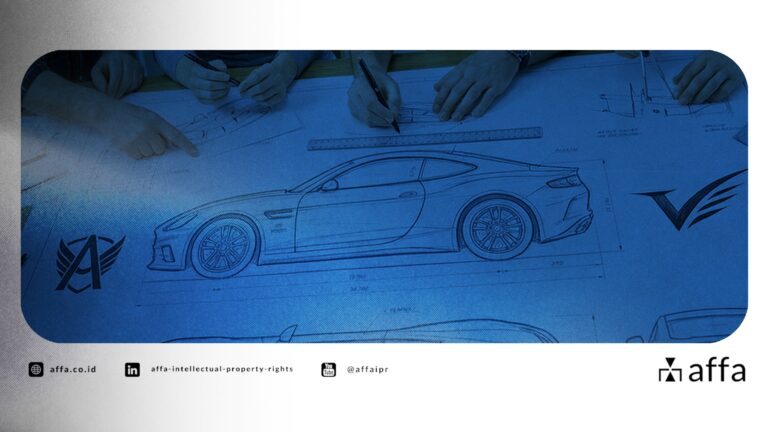
We may already be familiar with the concept of ODM (Original Design Manufacturer)—a production scheme where a single manufacturer produces identical products in terms of design, which are then marketed under different brands by multiple companies. This phenomenon is commonly seen in electronic products such as chargers, earphones, and smartphones. However, what happens when a similar practice occurs in far more complex products such as motor vehicles? Is it possible for two physically identical motorcycles or cars to be sold in the market under different brands? The answer is: yes—but not always legally. Industrial Design: Protecting the Aesthetic Appearance of Products In the automotive context, the most critical aspect is not only functionality, but also visual appearance, which is protected under Industrial Design rights. Industrial Design protection covers shape, configuration, composition of lines or colors, and overall aesthetic impression. This means that if two vehicles share an identical design but are marketed under different brands, the legal conflict may strongly point toward Industrial Design infringement. Industrial Design Protection Extends to Individual Components Under Industrial Design law, vehicles are categorized as “complex products,” meaning that each visible component—such as bumpers, headlights, or wheels—can be individually registered and protected as separate designs. As a result, infringement involving a single vehicle may not be isolated, but rather multi-layered. For example, if a party produces a vehicle that appears substantially similar, and: the bumper infringes Registered Design A the wheels infringe Registered Design B the headlights infringe Registered Design C Then the infringement is not singular—it becomes a multi-layer infringement case with significant legal implications. Why Does This Practice Occur? Several scenarios may explain this phenomenon: Legitimate Collaboration (Legal Co-Branding / Rebadging) In the automotive industry, this practice is commonly known as rebadging or OEM partnership. In such cases, one manufacturer produces the vehicle, another company markets it under a different brand, based on valid licensing or distribution agreements. In this scenario, no infringement occurs, as Industrial Design rights are lawfully utilized through contractual arrangements. Unauthorized Copying (Illegal Production) This is the highest-risk scenario. Here, a vehicle design is replicated without authorization and/or marketed under a different brand, with no legal relationship to the original design owner.In such cases, potential infringements may include: Industrial Design infringement. Trademark infringement (especially if there is imitation of identity or brand confusion). Gray Area: Ex-ODM or Supply Chain Leakage In certain cases, manufacturers that previously collaborated under ODM/OEM arrangements: have access to proprietary designs and later reproduce similar products under a different brand without further authorization Unfortunately, this type of practice is not uncommon in global manufacturing and often leads to complex legal disputes. What Should Consumers Be Aware Of? For consumers, this phenomenon is not always easy to identify. However, several precautionary principles can be considered: Be Cautious of Unusual Price Differences If two visually identical vehicles are sold at significantly lower—or even unusually higher—prices, their legality should be questioned. Verify Official Distribution Channels Is the product sold through authorized dealers with clear after-sales support? In legitimate partnerships, licensees or distributors typically disclose such information openly through official websites or social media channels. The Risk Is Not Only Legal—But Also Quality Products that infringe intellectual property rights often bypass proper quality control and lack safety guarantees. One Vehicle, Two Brands: Not Just a Trademark Issue, but a Complex IP Ecosystem This phenomenon is not merely a branding issue. Behind it lies the potential for serious violations involving Industrial Design rights, Trademark rights, and even issues of public transparency. For businesses, this serves as an important reminder that protecting intellectual property is not only about registration—it also involves controlling the production and distribution chain, often secured through licensing agreements. For consumers, choosing legitimate products is not only about legal compliance but also about safety, quality, and the sustainability of the industry. If you are a business engaged in global manufacturing, ensuring the protection of your Industrial Designs and Trademarks from the outset is a critical step. Should you need further information regarding the protection of Industrial Designs, Trademarks, and Licensing Agreements in Indonesia, please contact us through the channels below and receive a FREE 15-minute consultation: 📩 E-Mail : [email protected] 📞 Book a Call : +62 21 83793812 💬 WhatsApp : +62 812 87000 889 About AFFA: Established in 1999, AFFA Intellectual Property Rights is an Indonesia-based boutique IP law firm serving international brands and innovators, offering full-service support—from prosecution and licensing to enforcement and commercialization—in Indonesia’s dynamic IP landscape. Our firm is widely recognized for its excellence, with accolades including “Best Boutique Law Firm in Indonesia” and “IP Enforcement Firm” at the Indonesia Law Firm Awards 2025 by Asia Business Law Journal, as well as being listed as a “Recommended Firm 2024 — Indonesia” by WTR 1000: The World’s Leading Trademark Professionals. For more information, please visit: www.affa.co.id.