

Indonesia Joins the Riyadh Design Law Treaty - AFFA IPR

Indonesia Resmi Tandatangani Perjanjian Desain Industri Riyadh

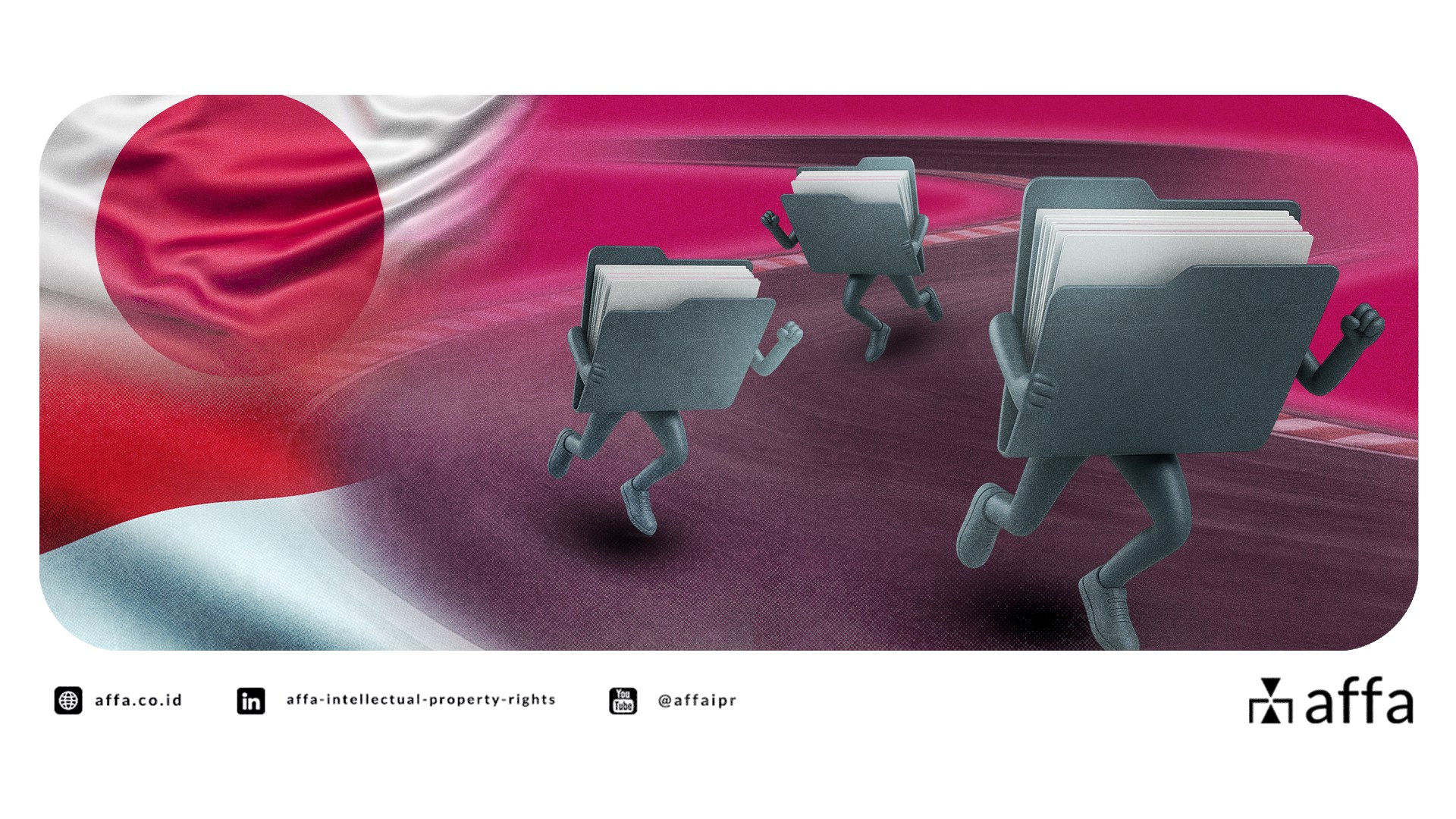
Pada 8 Juli 2025, Indonesia telah resmi menandatangani Riyadh Design Law Treaty (RDLT), bergabung dengan negara-negara yang berkomitmen untuk memodernisasi perlindungan Desain Industri secara global. Perjanjian ini pertama kali disepakati pada 22 November 2024, dalam Konferensi Diplomatik WIPO di Riyadh, setelah hampir dua dekade sebelumnya mengalami proses negosiasi.   Dengan lebih dari 190 negara yang berpartisipasi dan 18 penandatangan pada hari pertama, RDLT menjadi tonggak penting dalam harmonisasi Kekayaan Intelektual internasional, yang bertujuan menyederhanakan dan mempermudah aspek prosedural pendaftaran Desain Industri di seluruh dunia. Partisipasi aktif negara-negara seperti India (yang baru bergabung pada November 2024) dan kini Indonesia, menunjukkan komitmen kuat kawasan terhadap infrastruktur Kekayaan Intelektual untuk masa depan.   Manfaat Riyadh Design Law Treaty   Dengan bergabungnya Indonesia, perjanjian ini secara cakupan global, jadi lebih kuat dalam menerapkan pendaftaran Desain Industri yang bersifat terpadu dan fleksibel. Perjanjian ini menghapus birokrasi yang tidak perlu dan menawarkan berbagai skema praktis untuk menghadapi era digital. Dengan fitur-fitur utamanya adalah: Persyaratan pengajuan yang distandarkan, dibatasi pada daftar yang wajar dan dapat diprediksi. Masa tenggang 12 bulan untuk pengungkapan sebelum pengajuan—menguntungkan bagi para kreator yang telah mempublikasikan desain mereka sebelum mendaftar. Kemampuan untuk mengajukan beberapa desain dalam satu pengajuan. Format representasi yang fleksibel seperti gambar, foto, dan media digital. Penundaan publikasi hingga enam bulan, berguna untuk menjaga kerahasiaan. Perlindungan prosedural seperti keringanan atas tenggat waktu yang terlewat dan perpanjangan yang disederhanakan. Dukungan untuk sistem pengajuan elektronik dan pertukaran data lintas negara.   Seluruh ketentuan ini dirancang untuk memberdayakan tidak hanya perusahaan besar, tetapi juga UMKM, startup, dan desainer individu dalam menghadapi pasar global yang makin terhubung.   Gerakan Global yang Didukung Negara-Negara Besar   Di awal peresmiannya, hanya ada 18 negara yang tercatat sebagai penandatangan awal: Bosnia dan Herzegovina, Republik Afrika Tengah, Kongo, Kosta Rika, Pantai Gading, Korea Utara, Gambia, Ghana, Lebanon, Maroko, Paraguay, Filipina, Republik Moldova, São Tomé dan Príncipe, Arab Saudi, Sudan, Uzbekistan, dan Zimbabwe.   India kemudian menyusul dengan menandatangani dan meratifikasi perjanjian pada 26 November 2024. Dengan bergabungnya Indonesia pada 8 Juli 2025, ekonomi terbesar di ASEAN ini menegaskan kesiapannya untuk menyelaraskan regulasi domestik dengan standar internasional. Sebuah langkah penting untuk menarik investasi berbasis desain dan melindungi industri kreatif di Asia Tenggara.   Catatan Penting bagi Pemangku Kepentingan IP   Adopsi perjanjian ini bukan sekadar pembaruan prosedural—tetapi juga merupakan respon strategis terhadap kebutuhan ekonomi desain yang terus berkembang: Konsistensi yang lebih besar dalam proses pendaftaran Desain Industri di seluruh dunia. Akses yang lebih mudah bagi pelaku usaha kecil melalui pengurangan hambatan administratif. Pengakuan terhadap realitas digital, termasuk sistem pengajuan elektronik dan format desain digital. Fleksibilitas terhadap nilai-nilai nasional, seperti pilihan pengungkapan untuk ekspresi budaya tradisional atau pengetahuan tradisional. Kepastian hukum yang lebih baik, dengan tenggat waktu yang jelas dan masa tenggang yang mendukung kreator di industri yang bergerak cepat.   Bagi pelaku usaha yang beroperasi lintas negara, RDLT menghadirkan kejelasan dan efisiensi yang telah lama dinanti—penting untuk mempercepat strategi pasar dan melindungi inovasi.   Langkah Selanjutnya   RDLT akan mulai berlaku tiga bulan setelah negara-negara peratifikasi menyerahkan instrumen ratifikasinya. Namun melihat kecepatan aksesi terbaru untuk negara-negara seperti India dan Indonesia, ambang batas ini kemungkinan baru tercapai dalam 12 hingga 24 bulan ke depan.   Maka dari itu, sekarang adalah waktu yang tepat bagi para desainer, profesional hukum, dan pelaku usaha berbasis IP untuk bersiap. Memahami dan menyesuaikan diri dengan kerangka RDLT yang akan menjadi kunci untuk tetap kompetitif dalam ekonomi desain global.   AFFA Intellectual Property Rights akan terus memantau secara cermat implementasi dari perjanjian ini. Kami siap membantu klien dari dalam dan luar negeri untuk mengevaluasi kesiapan mereka, menyesuaikan prosedur dengan standar Riyadh, dan mengadopsi strategi baru dalam pengajuan pendaftarannya.    Jika Anda adalah desainer yang ingin mengamankan hak Desain Industri Anda secara global, hubungi kami untuk informasi lebih lanjut terkait perjanjian baru ini. Dapatkan konsultasi gratis 15 menit melalui telepon, dengan menghubungi kanal kami berikut ini:   ? E-Mail : [email protected] ? Book a Call : +62 21 83793812 ? WhatsApp : +62 812 87000 889   Sumber: Organisasi Kekayaan Intelektual Dunia

Indonesia and China Forge Strategic Copyright Alliance to Strengthen Global IP Protection - AFFA IPR

Indonesia and China Forge Strategic Copyright Alliance to Strengthen Global IP Protection

In a major step toward deeper international IP collaboration, the Government of Indonesia and the People’s Republic of China have signed a Memorandum of Understanding (MoU) to enhance cooperation in the field of Copyright and related rights. The agreement was formalized during the sidelines of the World Intellectual Property Organization (WIPO) General Assembly in Geneva, Switzerland, on July 8, 2025.   This landmark MoU, signed between Indonesia’s Ministry of Law and Human Rights and China’s National Copyright Administration, marks a pivotal moment in the bilateral IP relationship between two of Asia’s largest creative economies.   Responding to the Challenges of a Digital World   “This MoU represents a new chapter in our countries’ commitment to protect creativity in an increasingly borderless digital era,” said Minister of Law Supratman Andi Agtas. “It is more than an agreement—it’s a framework for resilience, cooperation, and innovation.”   At its core, the agreement focuses on strengthening Copyright enforcement, building institutional capacity, and fostering mutual promotion of the creative and cultural industries. Both countries have recognized the need for joint responses to transnational Copyright infringement, especially amid the rise of digital piracy and the development of generative AI.   Key Areas of Cooperation   Under the MoU, Indonesia and China will collaborate in the following areas: Exchange of legal and technical information on Copyright and related rights. Joint training programs for staff and professionals. Promotion of cross-border creative and cultural exchange. Facilitation of relations between Collective Management Organizations (CMOs). Public awareness campaigns to elevate IP education   Crucially, both parties agreed to develop annual work plans, appoint official contact points, and organize practical engagements—ranging from seminars and workshops to policy dialogues on emerging Copyright issues.   A Strategic – Soft Power Approach   While the MoU is non-binding, its strategic impact is significant. It reinforces Indonesia’s broader vision of positioning Intellectual Property as a tool of cultural diplomacy, especially within the fast-evolving global IP landscape.   The MoU will remain in effect for five years, with an option to renew for another term. Both countries may revise the agreement through mutual written consent, ensuring flexibility in addressing future challenges and opportunities.   As global stakeholders watch with growing interest, this Indonesia-China partnership sends a clear message: International Copyright cooperation is no longer optional—it is essential!   At AFFA Intellectual Property Rights, we support stronger international IP cooperation like the Indonesia–China partnership. Whether you’re expanding into Indonesia or managing IP across Asia, our consultants are ready to guide you.   Need help protecting your Copyright in Indonesia? Book a free 15-minute call with our professional consultant:   ? E-Mail : [email protected] ? Book a Call : +62 21 83793812 ? WhatsApp : +62 812 87000 889   Source: Directorate General of Intellectual Property

Can You Protect a Furniture Design in Indonesia? Absolutely! - AFFA IPR

Can You Protect a Furniture Design in Indonesia? Absolutely!

Do you think designs are just for fashion or gadgets? Think again. When people hear the term “Industrial Design,” they often think of phone cases, handbags, or consumer electronics. But in Indonesia, protection for Industrial Design extends far beyond tech and fashion. From minimalist lounge chairs to futuristic bathtubs and even ornate lighting fixtures, furniture and home décor are eligible for protection under Indonesia’s Industrial Design Law.   For interior, furniture, and lifestyle brands targeting Southeast Asia’s largest consumer market, registering your designs isn’t just possible — it’s essential.   Why Furniture Design Matters in Indonesia   Indonesia has seen a steady rise in Industrial Design awareness and filings over the past five years. Applications climbed from 2,319 in 2017 to a record-breaking 3,533 in 2022. This growth reflects not only increasing local awareness but also foreign interest in protecting design assets in one of Asia’s most dynamic markets for manufacturing and retail.   As consumer tastes evolve and visual identity becomes a powerful sales driver, furniture designers need to protect what sets their products apart: shape, contours, lines, textures, and aesthetics.   Tips to Get Your Furniture Design Approved   Despite the growing support for design protection, improperly submitted applications are still rejected, often due to technical errors in how the design is presented. The Directorate General of Intellectual Property (DGIP) has strict guidelines for how Industrial Design applications should be illustrated.   If you’re filing a furniture design (or any large, 3D product), follow these 8 key visual submission rules to avoid costly rejections:   Avoid Mixed Features Don’t combine multiple styles, colors, or versions in a single design submission. Use a Neutral Background Design representations must be shown on plain, uncluttered backgrounds — no textures, shadows, or staging. Exclude Irrelevant Elements Only the intended design should appear. Remove props, logos, or any decorative items not part of the design. Submit One View Per Image Provide one clear view per image: front, back, left, right, top, bottom, and perspective. No composites or collages. Upload Magnified Views Separately If you include zoomed-in details, upload them as individual images, not overlays. Disclaim Unregistered Features If some elements of your design aren’t meant to be protected, disclaim them consistently across all views. Show the Full Product Too If you’re submitting disassembled components (e.g., parts of a modular chair), include a full assembled version. For 2D Patterns, Show Them Alone If your design is a surface pattern (e.g., wood grain or textile texture), don’t show it applied on furniture — submit it as a stand-alone flat image.   Bottom Line: If It Has Shape, It Can Be Filed Whether you’re a boutique design studio or a global interior brand, protecting your creations in Indonesia gives you more than just legal peace of mind — it gives you the competitive edge. With over 270 million potential customers and a vibrant, design-conscious market, the value of your visual IP only increases over time.   Have a new piece ready for market? Make sure your design documents are clean, compliant, and enforceable — before someone else copies your style.   Need help filing your design in Indonesia? Book a free 15-minute call with a registered Industrial Design consultant and ensure your design meets all local requirements:   ? E-Mail : [email protected] ? Book a Call : +62 21 83793812 ? WhatsApp : +62 812 87000 889

Top 3 Mistakes Foreigners Make When Filing Industrial Designs in Indonesia - AFFA IPR

Top 3 Mistakes Foreigners Make When Filing Industrial Designs in Indonesia

Filing an Industrial Design in Indonesia may look simple, but even small missteps can lead to rejection—or worse, invalidate your rights after registration. For foreign applicants entering the Indonesian market, understanding what not to do is just as important as knowing the process.   Here are the top three mistakes we see most often—and how to avoid them:   Submitting Low-Quality or Blurry Images In Indonesia, clear and precise visual representation is the foundation of your Industrial Design protection. The Directorate General of Intellectual Property (DGIP) requires at least seven views of your design—front, back, left, right, top, bottom, and perspective. If the images are pixelated, low-resolution, or fail to reflect the design’s features accurately, your application will likely be rejected. Tip: Use high-resolution, black-and-white line drawings with no background noise. Avoid shadows, gradients, or photographic textures. Your images must clearly define the form, not confuse it. Including Functional Features in the Design Indonesia protects the appearance, not the function, of a product. If your design focuses on aspects driven purely by function (e.g., grooves, openings, or mechanisms necessary for the item to work), it may fall outside the scope of Industrial Design protection. The DGIP strictly excludes any design elements that are dictated solely by function. Including such elements can lead to rejection or later invalidation if challenged. Tip: Before filing, ask yourself: “Could this shape be different and still work the same?” If the answer is no, that feature likely won’t qualify. Filing After Public Disclosure—Without Knowing the Grace Period Rules Many foreign applicants mistakenly believe that any public disclosure automatically voids their ability to protect a design in Indonesia. While Indonesia does have strict novelty requirements, the law also provides a 6-month grace period for certain types of disclosures. Under Indonesian law, a design is considered novel only if it has not been made available to the public anywhere in the world before the filing or priority date. However, there are two exceptions: If the design was displayed at a nationally or internationally recognized exhibition, or If the design was disclosed by the designer themselves for education, research, or development purposes. In these cases, you still have up to 6 months to file your application without losing novelty. Tip: If you’ve already shown your design to the public, act fast. Check whether your situation qualifies for the grace period and file within six months—or risk permanent loss of rights.   Clean Up Your Designs Before You File   With rising interest in Indonesian design protection from global brands, getting it right the first time matters more than ever. A rejected or invalidated design not only costs time and money—it can expose your product to copycats in Southeast Asia’s biggest market.   Need help filing your design in Indonesia? Book a free 15-minute call with a registered Industrial Design consultant and ensure your design meets all local requirements:   ? E-Mail : [email protected] ? Book a Call : +62 21 83793812 ? WhatsApp : +62 812 87000 889

Not Just Batik: Why Industrial Design is the Hidden Gem of IP in Indonesia - AFFA IPR

Not Just Batik: Why Industrial Design is the Hidden Gem of IP in Indonesia

When people think about Intellectual Property (IP) in Indonesia, their minds often go straight to Batik—a traditional cultural expression protected under Copyright. But beyond the cultural spotlight lies a vastly underappreciated and highly strategic asset in IP: Industrial Design.   Despite its growing importance, Industrial Design protection in Indonesia remains largely overlooked by creators, businesses, and even international investors. That’s a major missed opportunity, especially considering Indonesia’s growing importance in global trade and IP.   Industrial Design: More Than Just Aesthetic Appeal   An Industrial Design protects the visual appearance of a product—its shape, pattern, lines, contours, colors, or any combination thereof. It’s not about functionality, but about form. If you’ve created a distinctive bottle shape, a shoe silhouette, a furniture design, or unique packaging, it may qualify for protection under Industrial Design law.   In today’s consumer-driven world, where visual differentiation drives value, protecting these design elements is crucial.   The Untold Fact: Indonesia Is Quietly Active   Indonesia is not a passive player in industrial design. Since 2017, the country has consistently recorded over 2,000 industrial design applications annually, reflecting a healthy and growing awareness of design protection.   In fact, by 2022, filings reached a record high of 3,533 applications, indicating rising activity from both domestic and foreign applicants. This trend highlights how businesses are starting to treat design not just as an aesthetic enhancement, but as a strategic asset worth securing in Indonesia.   Foreign filings have also increased steadily, signaling that Indonesia is gaining global recognition not only as a major consumer market but also as a jurisdiction with valuable IP infrastructure.   Why Indonesia Attracts Design Filings   One reason behind the steady interest in Indonesia’s Industrial Design system is its clear and straightforward protection regime. An industrial design in Indonesia is protected for a fixed term of 10 years from the filing date, without the need for renewals. While this duration is standard compared to many jurisdictions, it offers legal certainty for businesses during a product’s most commercially active years.   Combined with Indonesia’s growing consumer market and increasing awareness of IP enforcement, this makes the country an attractive destination for securing design rights, especially for fast-moving consumer goods, packaging, and lifestyle products.   When Copyright Is Not Enough   Creators in Indonesia often wonder whether their work should be protected under Copyright or Industrial Design. The distinction can be subtle but important.   Take Batik motifs used in modern fashion products as an example. While the motif itself may be protected by Copyright, if it’s applied to mass-produced products and serves a commercial, aesthetic function, Industrial Design registration might provide stronger and more enforceable protection.   The same applies to everyday consumer items: phone cases, kitchenware, footwear, automotive parts, or cosmetic packaging—if it looks unique, it should be protected.   Securing Design in Southeast Asia’s Largest Market   With over 270 million people, Indonesia is Southeast Asia’s largest consumer market. Any successful product design that hits the market is bound to be imitated. Without proper protection, you risk losing your product’s most valuable differentiator—its visual identity.   Registering your Industrial Design gives you exclusive rights to prevent others from using, selling, or reproducing the same or similar designs. It also provides a solid legal foundation for enforcement in case of infringement.   If you’re expanding into Southeast Asia and want to secure your product’s visual identity in one of its most dynamic markets, Industrial Design protection in Indonesia is a smart first step.   Book a free 15-minute call with a registered Industrial Design consultant:   ? E-Mail : [email protected] ? Book a Call : +62 21 83793812 ? WhatsApp : +62 812 87000 889

Indonesia Has a ‘First-to-File’ System. Here’s What That Really Means… - AFFA IPR

Indonesia Has a ‘First-to-File’ System. Here’s What That Really Means…

In Indonesia, Trademark rights belong to the party that files first, not necessarily to the party that used the mark first. This system is similar to many jurisdictions that adopt the first-to-file principle, although some countries, such as the United States, recognize first use.   This creates serious risks, especially for foreign brand owners who enter the market through local distributors or partners. In many cases, these local parties may file your Trademark under their own name, either as leverage or as a bad-faith attempt to block your market entry.   While Indonesia allows legal actions to challenge bad-faith filings, these processes can be costly, time-consuming, and uncertain. The best strategy remains simple and preventive: file your Trademark as early as possible — ideally before entering the market or appointing any local partners.   Want to stop your competitors or squatters from beating you to it? Book a free 15-minute call, and we will help you secure your Trademarks before anyone else does.   ? E-Mail : [email protected] ? Book a Call : +62 21 83793812 ? WhatsApp : +62 812 87000 889

Trademark Oppositions: What Big Brands Are Doing Behind the Scenes - AFFA IPR

Trademark Oppositions: What Big Brands Are Doing Behind the Scenes

In Indonesia, the Trademark opposition window is only 2 months, but don’t let that short timeline fool you. For global companies and established brand owners, it’s one of the most powerful tools to block copycats before they ever reach the market.   Here’s how it works:   Every new Trademark application is published for public review for exactly two months. During this time, any party with a legal interest, especially those with prior filings in Indonesia, can oppose.   Miss this window, and your options shrink fast!   After the 2-month period, opposition is no longer possible. Your only remaining option is a court-based cancellation, which is more costly and time-consuming.   So what do big brands do?    They monitor new filings on a weekly basis and respond promptly. The goal? Stop bad-faith actors at the earliest stage, when it’s faster, cheaper, and more likely to succeed.   The catch?   To win, you usually need an existing application or registration in Indonesia. The sooner you file, the stronger your legal standing to oppose.   Want to monitor all new Trademark filings that may threaten your brand? Let us handle it.   Book a free 15-minute call, and we’ll show you how smart oppositions keep global brands safe in Indonesia.   ? E-Mail : [email protected] ? Book a Call : +62 21 83793812

Trademark Squatting in Indonesia: Real or Hype? - AFFA IPR

Trademark Squatting in Indonesia: Real or Hype?

Spoiler: It’s real — and surprisingly common.   Trademark squatting is not just a scary headline. It frequently occurs in Indonesia, particularly in fast-moving consumer sectors such as beauty, fashion, and F&B. Both local and foreign parties rush to register brands that do not actually belong to them, hoping to profit when the rightful owner enters the market.   But here is the good news:  Most squatters lose — if challenged strategically and in time.   However, this requires you to complete your “homework” before we can fight the squatter before the Court of Commerce in Indonesia, such as:   At least 5 Trademark registrations filed overseas before the squatter(s) filed the same Mark in Indonesia. The more registrations there is, the better. Evidence of use overseas by your company. If possible, any leads or evidence that suggest the squatter(s) had past interactions with your company (i.e., asking for license or distribution rights).   Indonesia’s Trademark Law allows oppositions at the Trademark Office stage and cancellations based on bad faith at the Court of Commerce stage. However, cautions and preparations are needed before you can pursue your rights in this case.   Avoid the squat trap, email or book a free 15-minute call with us — let’s make sure your Trademark stays yours!   📩 E-Mail : [email protected] 📞 Book a Call : +62 21 83793812 💬 WhatsApp : +62 812 87000 889

[HARI BUKU NASIONAL] Dilema Royalti 10% Melawan Pembajakan - Menopang Ekosistem Kreatif Indonesia - AFFA IPR

[HARI BUKU NASIONAL] Dilema Royalti 10% Melawan Pembajakan & Menopang Ekosistem Kreatif Indonesia

Hari Buku Nasional 17 Mei 2025 adalah momentum penting untuk kembali menyadari betapa berharganya sebuah buku, bukan hanya sebagai sumber ilmu, tetapi juga sebagai hasil karya intelektual yang mendukung jutaan pekerja di industri kreatif Indonesia. Sayangnya, masih banyak orang yang tergoda membeli buku bajakan tanpa menyadari dampaknya.   Mengapa Hari Buku Nasional Diperingati Setiap 17 Mei?   Hari Buku Nasional pertama kali dicanangkan pada 17 Mei 2002 oleh Menteri Pendidikan saat itu, Abdul Malik Fadjar, dengan tujuan meningkatkan minat baca masyarakat Indonesia dan mendorong tumbuhnya budaya literasi. Tanggal ini dipilih karena bertepatan dengan hari berdirinya Perpustakaan Nasional Republik Indonesia (Perpusnas), yaitu pada 17 Mei 1980.   Dengan adanya peringatan ini, diharapkan publik lebih peduli terhadap pentingnya buku dalam pembangunan bangsa, baik sebagai sarana edukasi maupun sebagai produk budaya yang harus dihargai.   Berapa Persen yang Hilang dari Aktivitas Pembajakan Buku?   Menghargai buku, berarti kita menghargai pula kerja kerasa para penulis dan penerbit. Makanya mereka akan menjadi pihak yang dirugikan dari setiap praktek pembajakan buku. Komponen apa lagi yang membentuk harga jual sebuah buku? Berikut ini gambaran pembagiannya dari sebuah buku asli seharga Rp100.000:   Komponen Persentase Toko Buku 40% Biaya Produksi 20% Pajak Pertambahan Nilai 15% Biaya Distribusi 10% Royalti Penulis 10% Keuntungan Penerbit 5%   Yang berarti, penulis hanya menerima sekitar Rp10.000 per buku yang terjual. Sementara pembajak hanya menanggung ongkos produksi (20%) dan tidak memberikan bagian apa pun kepada penulis maupun penerbit. Memprihatinkan bukan? Apalagi belakangan juga marak praktek penjualan buku “digital” ilegal di platform e-commerce.   Mengapa Harus Beli Buku Asli?   Karena dengan membeli buku asli dapat memberikan sejumlah manfaat positif…   Dampak Positif Beli Buku Asli Dampak Negatif Beli Buku Bajakan Penulis mendapat royalti yang layak untuk terus berkarya. Penulis tidak mendapat penghargaan maupun penghasilan. Penerbit, editor, dan desainer buku tetap bisa bekerja dan berkembang. Rantai industri buku melemah dan penerbit ragu menerbitkan karya baru. Kualitas cetak dan isi buku lebih baik dan bisa dipertanggungjawabkan. Buku bajakan sering mengandung kesalahan cetak dan isi yang tidak akurat. Membantu pertumbuhan industri kreatif nasional. Mematikan inovasi dan semangat pelaku industri kreatif. Meningkatkan literasi dengan pilihan bacaan berkualitas. Menurunkan mutu pendidikan dan bacaan publik.   Buku adalah hasil jerih payah banyak pihak, bukan hanya penulis. Setiap lembar yang Anda baca mencerminkan kerja keras editor, desainer, distributor, hingga penjual buku. Di Hari Buku Nasional ini, mari kita berkomitmen untuk tidak membeli buku bajakan, tidak menggandakan buku tanpa izin, dan tidak menyebarluaskan e-book ilegal. Lebih dari itu, kita juga dapat melaporkan jika menemukan praktek penjualan buku bajakan untuk ekosistem Kekayaan Intelektual yang lebih baik di Indonesia.   Baca juga: Prosedur Pelaporan Barang Bajakan di Ecommerce Indonesia Jika Anda membutuhkan informasi lebih lanjut terkait perlindungan buku di Indonesia, jangan ragu untuk menghubungi kami melalui email [email protected].

Mengenal Beragam Kekayaan Intelektual dari Sepatu

Saat kita mendengar istilah Kekayaan Intelektual atau Intellectual Property (IP), yang pertama kali terlintas di benak biasanya adalah karya musik, film, atau buku. Padahal, IP memiliki cakupan yang jauh lebih luas—termasuk di dalamnya Merek, Paten, Desain Industri, hingga Hak Cipta. Menariknya, seluruh jenis Kekayaan Intelektual ini bisa hadir hanya dari satu benda sederhana: sepasang sepatu.   Ya, sepatu yang Anda beli dan pakai itu bisa saja menyimpan lebih dari sekadar kenyamanan dan gaya. Dibalik desainnya yang keren dan fungsional, tersimpan berbagai elemen Kekayaan Intelektual yang bernilai tinggi. Saatnya kita bahas satu per satu!   Merek: Lebih dari Sekadar Nama Merek bukan hanya soal nama dagang yang menempel pada lidah sepatu atau kardus kemasannya. Dalam dunia Kekayaan Intelektual, Merek juga bisa mencakup elemen visual khas seperti logo, garis, bentuk, atau bahkan warna yang melekat kuat pada identitas produk. Contoh: Garis-garis khas pada sepatu Onitsuka Tiger (ASICS) yang langsung dikenali hanya dari siluetnya. Pola jahitan unik berwarna kuning di sol sepatu Dr. Martens, yang tak hanya memperkuat fungsi, tetapi juga mempertegas ciri khas produk. Seluruh elemen tersebut dapat didaftarkan sebagai Merek yang memberikan perlindungan hukum terhadap peniruan atau penyalahgunaan oleh pihak lain. Paten: Melindungi Inovasi Teknologi Di dunia sepatu modern, inovasi teknologi jadi senjata utama untuk bersaing. Teknologi seperti sol dengan rongga udara untuk bantalan maksimal (misalnya pada Nike Air), bahan yang menyerap energi lalu memantulkannya kembali, kain sintetis tahan noda yang tetap nyaman dipakai, semuanya bisa didaftarkan sebagai Paten—selama memenuhi syarat: baru, inventif, dan dapat diterapkan secara industri. Dengan perlindungan Paten, produsen sepatu bisa menjaga keunggulan inovatif mereka sekaligus membuka peluang lisensi yang menguntungkan. Desain Industri: Estetika yang Dilindungi Tampilan visual sepatu—bentuk keseluruhan, lekukan, siluet, atau ornamen khas—dapat dilindungi melalui Desain Industri. Ini penting terutama bagi produk dengan tampilan yang ikonik, meskipun fungsinya tidak berubah.Desain industri memberikan perlindungan eksklusif selama 10 tahun, sayangnya masa perlindungan tersebut, berbeda dengan Merek, tidak dapat diperpanjang. Jadi, 10 tahun pertama adalah waktunya untuk mengkomersialisasikannya secara maksimal.Bahkan, kotak sepatunya sendiri yang tampil estetis dan unik juga dapat didaftarkan sebagai Desain Industri. Kalau Anda melihat kemasan sepatu yang terasa premium atau “Instagrammable,” bisa jadi itu hasil strategi desain yang cerdas sekaligus memaksimalkan cuan dengan cara legal.  Hak Cipta: Karya Seni dalam Sepatu Sepatu bukan cuma media fungsi, tapi juga kanvas ekspresi. Gambar, ilustrasi, atau motif artistik pada permukaan sepatu—baik di bagian atas (upper), lidah, hingga dalam sol—bisa dilindungi sebagai Hak Cipta. Begitu juga desain grafis pada kotak sepatu, bahkan label dan booklet di dalamnya.Hak Cipta timbul secara otomatis sejak karya dibuat dan tidak perlu didaftarkan (meskipun pencatatannya tetap disarankan sebagai bukti hukum yang kuat).   Kompleks, Tapi Menguntungkan Melihat satu pasang sepatu saja bisa mencakup: Merek (nama, logo, atau bentuk khas); Paten (inovasi teknologi dan bahan); Desain Industri (tampilan visual dan kemasan), hingga Hak Cipta (elemen seni), Maka jelas bahwa sepatu bukan sekadar produk, melainkan kumpulan Kekayaan Intelektual yang bernilai tinggi.   Menguasai dan mengelola Kekayaan Intelektual bukan hanya soal perlindungan hukum, tetapi juga soal strategi bisnis. Banyak perusahaan besar yang sebenarnya bukan menjual barang, tapi menjual IP mereka. Dan inilah mengapa, memahami Kekayaan Intelektual bisa menjadi langkah pertama menuju “kekayaan” sesungguhnya.   Kalau Anda punya ide desain sepatu, atau inovasi bahan baru, jangan anggap sepele. Bisa jadi, Anda sedang menggali tambang emas Kekayaan Intelektual, dan kami siap membantu agar kekayaan ini terdaftar dan mendapat perlindungan maksimal, sehingga tidak disalahgunakan oleh pihak-pihak yang tidak bertanggung jawab.   Jika Anda membutuhkan informasi lebih lanjut terkait pendaftaran dan perlindungan Kekayaan Intelektual di Indonesia maupun manca negara, jangan ragu untuk menghubungi kami melalui email [email protected].