
Can You Protect a Furniture Design in Indonesia? Absolutely! - AFFA IPR

Can You Protect a Furniture Design in Indonesia? Absolutely!

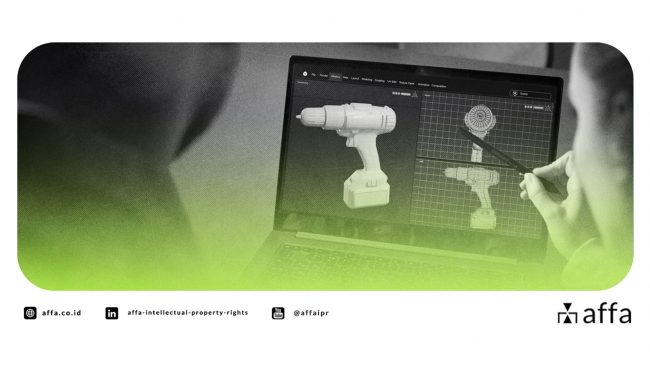
Do you think designs are just for fashion or gadgets? Think again. When people hear the term “Industrial Design,” they often think of phone cases, handbags, or consumer electronics. But in Indonesia, protection for Industrial Design extends far beyond tech and fashion. From minimalist lounge chairs to futuristic bathtubs and even ornate lighting fixtures, furniture and home décor are eligible for protection under Indonesia’s Industrial Design Law.   For interior, furniture, and lifestyle brands targeting Southeast Asia’s largest consumer market, registering your designs isn’t just possible — it’s essential.   Why Furniture Design Matters in Indonesia   Indonesia has seen a steady rise in Industrial Design awareness and filings over the past five years. Applications climbed from 2,319 in 2017 to a record-breaking 3,533 in 2022. This growth reflects not only increasing local awareness but also foreign interest in protecting design assets in one of Asia’s most dynamic markets for manufacturing and retail.   As consumer tastes evolve and visual identity becomes a powerful sales driver, furniture designers need to protect what sets their products apart: shape, contours, lines, textures, and aesthetics.   Tips to Get Your Furniture Design Approved   Despite the growing support for design protection, improperly submitted applications are still rejected, often due to technical errors in how the design is presented. The Directorate General of Intellectual Property (DGIP) has strict guidelines for how Industrial Design applications should be illustrated.   If you’re filing a furniture design (or any large, 3D product), follow these 8 key visual submission rules to avoid costly rejections:   Avoid Mixed Features Don’t combine multiple styles, colors, or versions in a single design submission. Use a Neutral Background Design representations must be shown on plain, uncluttered backgrounds — no textures, shadows, or staging. Exclude Irrelevant Elements Only the intended design should appear. Remove props, logos, or any decorative items not part of the design. Submit One View Per Image Provide one clear view per image: front, back, left, right, top, bottom, and perspective. No composites or collages. Upload Magnified Views Separately If you include zoomed-in details, upload them as individual images, not overlays. Disclaim Unregistered Features If some elements of your design aren’t meant to be protected, disclaim them consistently across all views. Show the Full Product Too If you’re submitting disassembled components (e.g., parts of a modular chair), include a full assembled version. For 2D Patterns, Show Them Alone If your design is a surface pattern (e.g., wood grain or textile texture), don’t show it applied on furniture — submit it as a stand-alone flat image.   Bottom Line: If It Has Shape, It Can Be Filed Whether you’re a boutique design studio or a global interior brand, protecting your creations in Indonesia gives you more than just legal peace of mind — it gives you the competitive edge. With over 270 million potential customers and a vibrant, design-conscious market, the value of your visual IP only increases over time.   Have a new piece ready for market? Make sure your design documents are clean, compliant, and enforceable — before someone else copies your style.   Need help filing your design in Indonesia? Book a free 15-minute call with a registered Industrial Design consultant and ensure your design meets all local requirements:   ? E-Mail : [email protected] ? Book a Call : +62 21 83793812 ? WhatsApp : +62 812 87000 889

Indonesia Fosters a Thriving IP Ecosystem: Domestic and International Filings Soar Over the Past Decade - AFFA IPR

Indonesia Fosters a Thriving IP Ecosystem: Domestic and International Filings Soar Over the Past Decade

Indonesia’s Directorate General of Intellectual Property (DGIP) has achieved a remarkable milestone over the past decade. According to a report delivered by the Director General of Intellectual Property, Razilu, a total of 1,738,573 Intellectual Property (IP) applications were filed between 2015 and 2024. “This is a monumental figure that reflects the extraordinary enthusiasm of the Indonesian public in protecting their intellectual creations,” Razilu stated during the “Ten-Year Performance Exposé and IP Appreciation” event, held in celebration of World Intellectual Property Day 2025 at Graha Pengayoman, Jakarta, on Wednesday, June 4, 2025. The data show that IP filings have grown at an average annual rate of 18.5%. According to Razilu, this growth is more than just numbers — it reflects increasing awareness of the importance of IP as a national economic and cultural asset. Razilu emphasized that this performance exposé is not merely an evaluation, but also a strategic platform to shape future IP policies. The goal is to ensure that every innovation and creative work by Indonesians is not only protected by law but also fully empowered. Of the total filings, approximately 86.76% originated from within the country. Domestic applicants contributed nearly 99.8% of Copyright filings, 85.2% of Trademark filings, and 68.76% of Industrial Design filings. However, domestic contributions to Patent filings remain relatively low, standing at just 32.05%, highlighting an area for improvement. “These figures demonstrate the strong dominance of local IP filings across all categories. It’s a testament to the thriving innovation and creativity among individuals, entrepreneurs, and inventors across Indonesia,” Razilu added. Over the same period, micro, small, and medium enterprises (MSMEs) were significant contributors to Trademark filings. The most registered classes included: Culinary products (Classes 30 and 29) Fashion (Class 25) Hospitality services (Class 43) Cosmetics and personal care (Class 3) In the Industrial Design category, top applications were concentrated in: Other printed matter (Class 19-08) Chairs (Class 06-01) Garments (Class 02-02) Travel bags, handbags, key holders (Class 03-01) Bags, containers, tubes, capsules (Class 09-05) Meanwhile, the most recorded Copyright works were books, written articles, computer programs, video recordings, and posters. For Geographical Indications, the top five products over the past decade were coffee, woven textiles, rice, batik, and traditional salt. In the domestic Patent category, top filings involved food chemistry, pharmaceuticals, chemical engineering, special machinery, and basic chemistry. On the other hand, foreign Patent applications were dominated by sectors such as pharmaceuticals, digital communications, transportation, basic chemistry, and metallurgy. At AFFA Intellectual Property Rights, we welcome this growing momentum in Indonesia’s IP landscape. Our team of experienced IP consultants stands ready to support businesses, creators, and innovators—not only in Indonesia but also around the world—in securing and maximizing the value of their Intellectual Property. Let us help you navigate your IP journey with confidence.   Need help filing your IP in Indonesia? Book a free 15-minute call with a registered IP consultant and ensure your IP meets all local requirements:   ? E-Mail : [email protected] ? Book a Call : +62 21 83793812 ? WhatsApp : +62 812 87000 889   Source: Directorate General of Intellectual Property
Top 3 Mistakes Foreigners Make When Filing Industrial Designs in Indonesia - AFFA IPR

Top 3 Mistakes Foreigners Make When Filing Industrial Designs in Indonesia

Filing an Industrial Design in Indonesia may look simple, but even small missteps can lead to rejection—or worse, invalidate your rights after registration. For foreign applicants entering the Indonesian market, understanding what not to do is just as important as knowing the process.   Here are the top three mistakes we see most often—and how to avoid them:   Submitting Low-Quality or Blurry Images In Indonesia, clear and precise visual representation is the foundation of your Industrial Design protection. The Directorate General of Intellectual Property (DGIP) requires at least seven views of your design—front, back, left, right, top, bottom, and perspective. If the images are pixelated, low-resolution, or fail to reflect the design’s features accurately, your application will likely be rejected. Tip: Use high-resolution, black-and-white line drawings with no background noise. Avoid shadows, gradients, or photographic textures. Your images must clearly define the form, not confuse it. Including Functional Features in the Design Indonesia protects the appearance, not the function, of a product. If your design focuses on aspects driven purely by function (e.g., grooves, openings, or mechanisms necessary for the item to work), it may fall outside the scope of Industrial Design protection. The DGIP strictly excludes any design elements that are dictated solely by function. Including such elements can lead to rejection or later invalidation if challenged. Tip: Before filing, ask yourself: “Could this shape be different and still work the same?” If the answer is no, that feature likely won’t qualify. Filing After Public Disclosure—Without Knowing the Grace Period Rules Many foreign applicants mistakenly believe that any public disclosure automatically voids their ability to protect a design in Indonesia. While Indonesia does have strict novelty requirements, the law also provides a 6-month grace period for certain types of disclosures. Under Indonesian law, a design is considered novel only if it has not been made available to the public anywhere in the world before the filing or priority date. However, there are two exceptions: If the design was displayed at a nationally or internationally recognized exhibition, or If the design was disclosed by the designer themselves for education, research, or development purposes. In these cases, you still have up to 6 months to file your application without losing novelty. Tip: If you’ve already shown your design to the public, act fast. Check whether your situation qualifies for the grace period and file within six months—or risk permanent loss of rights.   Clean Up Your Designs Before You File   With rising interest in Indonesian design protection from global brands, getting it right the first time matters more than ever. A rejected or invalidated design not only costs time and money—it can expose your product to copycats in Southeast Asia’s biggest market.   Need help filing your design in Indonesia? Book a free 15-minute call with a registered Industrial Design consultant and ensure your design meets all local requirements:   ? E-Mail : [email protected] ? Book a Call : +62 21 83793812 ? WhatsApp : +62 812 87000 889
Not Just Batik: Why Industrial Design is the Hidden Gem of IP in Indonesia - AFFA IPR

Not Just Batik: Why Industrial Design is the Hidden Gem of IP in Indonesia

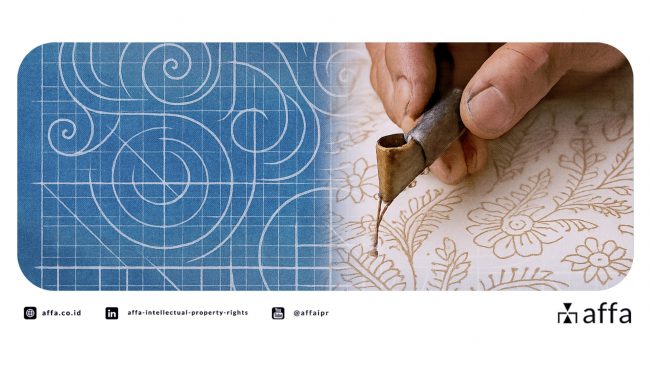
When people think about Intellectual Property (IP) in Indonesia, their minds often go straight to Batik—a traditional cultural expression protected under Copyright. But beyond the cultural spotlight lies a vastly underappreciated and highly strategic asset in IP: Industrial Design.   Despite its growing importance, Industrial Design protection in Indonesia remains largely overlooked by creators, businesses, and even international investors. That’s a major missed opportunity, especially considering Indonesia’s growing importance in global trade and IP.   Industrial Design: More Than Just Aesthetic Appeal   An Industrial Design protects the visual appearance of a product—its shape, pattern, lines, contours, colors, or any combination thereof. It’s not about functionality, but about form. If you’ve created a distinctive bottle shape, a shoe silhouette, a furniture design, or unique packaging, it may qualify for protection under Industrial Design law.   In today’s consumer-driven world, where visual differentiation drives value, protecting these design elements is crucial.   The Untold Fact: Indonesia Is Quietly Active   Indonesia is not a passive player in industrial design. Since 2017, the country has consistently recorded over 2,000 industrial design applications annually, reflecting a healthy and growing awareness of design protection.   In fact, by 2022, filings reached a record high of 3,533 applications, indicating rising activity from both domestic and foreign applicants. This trend highlights how businesses are starting to treat design not just as an aesthetic enhancement, but as a strategic asset worth securing in Indonesia.   Foreign filings have also increased steadily, signaling that Indonesia is gaining global recognition not only as a major consumer market but also as a jurisdiction with valuable IP infrastructure.   Why Indonesia Attracts Design Filings   One reason behind the steady interest in Indonesia’s Industrial Design system is its clear and straightforward protection regime. An industrial design in Indonesia is protected for a fixed term of 10 years from the filing date, without the need for renewals. While this duration is standard compared to many jurisdictions, it offers legal certainty for businesses during a product’s most commercially active years.   Combined with Indonesia’s growing consumer market and increasing awareness of IP enforcement, this makes the country an attractive destination for securing design rights, especially for fast-moving consumer goods, packaging, and lifestyle products.   When Copyright Is Not Enough   Creators in Indonesia often wonder whether their work should be protected under Copyright or Industrial Design. The distinction can be subtle but important.   Take Batik motifs used in modern fashion products as an example. While the motif itself may be protected by Copyright, if it’s applied to mass-produced products and serves a commercial, aesthetic function, Industrial Design registration might provide stronger and more enforceable protection.   The same applies to everyday consumer items: phone cases, kitchenware, footwear, automotive parts, or cosmetic packaging—if it looks unique, it should be protected.   Securing Design in Southeast Asia’s Largest Market   With over 270 million people, Indonesia is Southeast Asia’s largest consumer market. Any successful product design that hits the market is bound to be imitated. Without proper protection, you risk losing your product’s most valuable differentiator—its visual identity.   Registering your Industrial Design gives you exclusive rights to prevent others from using, selling, or reproducing the same or similar designs. It also provides a solid legal foundation for enforcement in case of infringement.   If you’re expanding into Southeast Asia and want to secure your product’s visual identity in one of its most dynamic markets, Industrial Design protection in Indonesia is a smart first step.   Book a free 15-minute call with a registered Industrial Design consultant:   ? E-Mail : [email protected] ? Book a Call : +62 21 83793812 ? WhatsApp : +62 812 87000 889

Pengajuan Merek Indonesia Melalui Protokol Madrid Catat Rekor di 2024 - AFFA IPR

Pengajuan Merek Indonesia Melalui Protokol Madrid Catat Rekor di 2024

Penggunaan Madrid System — sistem internasional pendaftaran Merek yang dikelola oleh WIPO — terus menunjukkan tren positif secara global sepanjang 2024. Indonesia pun tidak ketinggalan menjadi bagian penting dari pertumbuhan ini, baik sebagai tujuan (designated country) maupun sebagai negara asal (country of origin) pengajuan Merek internasional.   Sepanjang 2024, Indonesia menerima 8.678 designasi internasional melalui sistem Madrid. Artinya, ribuan pemilik Merek global kini menargetkan Indonesia untuk memperluas perlindungan Hak Eksklusif mereka di pasar domestik yang strategis ini. Dibandingkan tahun sebelumnya, jumlah designasi ke Indonesia tumbuh sebesar +10,3% — sebuah peningkatan yang signifikan di kawasan Asia Tenggara. Indonesia bahkan masuk ke Top 20!   Bersama Vietnam (+11,2%), Thailand (+11%), dan Malaysia (+9,3%), Indonesia termasuk dalam negara tujuan dengan pertumbuhan permintaan perlindungan Merek tertinggi pada 2024. Hal ini mencerminkan persepsi pasar global terhadap daya tarik ekonomi dan pentingnya perlindungan Merek di Indonesia yang terus meningkat. Pengajuan Merek Asal Indonesia Juga Meningkat   Tak hanya diminati dari luar, pemilik Merek asal Indonesia juga semakin aktif memanfaatkan sistem Madrid untuk melindungi hak Merknya di berbagai negara. Pada 2024, tercatat 113 permohonan Madrid yang berasal dari pemohon di Indonesia, atau mengalami kenaikan +13% dibandingkan tahun sebelumnya   Pertumbuhan ini menunjukkan meningkatnya kesadaran pelaku usaha Indonesia — dari UMKM hingga korporasi besar — akan pentingnya mengamankan hak Merek di pasar internasional sejak awal ekspansi bisnis. Perlindungan Merek yang kuat di negara tujuan ekspor kini menjadi bagian dari strategi bisnis global perusahaan Indonesia. Dari 113 pengajuan tadi, sekitar 10%-nya diajukan melalui AFFA Intellectual Property Rights, konsultan Merek terdaftar yang sudah memiliki jaringan internasional. Sebagai konsultan Merek, AFFA IPR berpengalaman menangani pengajuan Madrid ke berbagai yurisdiksi utama dunia — mulai dari Amerika Serikat, Uni Eropa, Jepang, Tiongkok, ASEAN, hingga Timur Tengah dan Afrika — AFFA IPR terus berkomitmen menjadi mitra strategis Anda, pelaku bisnis Indonesia dalam memperluas perlindungan Merek internasional.   Baca juga: Pendaftaran Merek Internasional Lebih Murah dan Mudah Menggunakan Sistem Protokol Madrid Jika Anda membutuhkan informasi lebih lanjut terkait pendaftaran Merek internasional melalui Protokol Madrid, langsung hubungi kami melalui email [email protected].     Sumber: WIPO Madrid Yearly Review 2025

Indonesia Has a ‘First-to-File’ System. Here’s What That Really Means… - AFFA IPR

Indonesia Has a ‘First-to-File’ System. Here’s What That Really Means…

In Indonesia, Trademark rights belong to the party that files first, not necessarily to the party that used the mark first. This system is similar to many jurisdictions that adopt the first-to-file principle, although some countries, such as the United States, recognize first use.   This creates serious risks, especially for foreign brand owners who enter the market through local distributors or partners. In many cases, these local parties may file your Trademark under their own name, either as leverage or as a bad-faith attempt to block your market entry.   While Indonesia allows legal actions to challenge bad-faith filings, these processes can be costly, time-consuming, and uncertain. The best strategy remains simple and preventive: file your Trademark as early as possible — ideally before entering the market or appointing any local partners.   Want to stop your competitors or squatters from beating you to it? Book a free 15-minute call, and we will help you secure your Trademarks before anyone else does.   ? E-Mail : [email protected] ? Book a Call : +62 21 83793812 ? WhatsApp : +62 812 87000 889

Why You Should File Your Trademark in Bahasa Indonesia? - AFFA IPR

Why You Should File Your Trademark in Bahasa Indonesia?

When you file your Trademark in a foreign country like Indonesia, the risk is not always direct copying. Often, local squatters will translate, transliterate, or adapt your Trademark into “Bahasa Indonesia” (Indonesian language) to create a confusingly similar version that still attracts your market, but is still conceptually similar or identical.   Indonesia’s Trademark Law recognizes both identical and confusingly similar marks as potential infringements. However, if you only file your Trademark in its original foreign language, it may leave the door open for others to secure rights over its Bahasa Indonesia version.   For instance, you have filed a Trademark for “ROSE” in Class 3 covering cosmetics. However, another party still has a chance to secure registration for “MAWAR” (the Indonesian translation of Rose) in the same class if the examiner is not careful enough to check conceptual similarity with your Trademark.   By filing your Trademark in Bahasa Indonesia from the start, you lock in both versions of your brand identity, making it much harder for local copycats to exploit translation loopholes.   Book a free 15-minute call, and we will help you protect both the original and local versions of your Trademarks in Indonesia — before someone else does.   ? E-Mail : [email protected] ? Book a Call : +62 21 83793812 ? WhatsApp : +62 812 87000 889

Collaborative Search and Examination (CS&E) between IPOS and DGIP - AFFA IPR

Collaborative Search and Examination (CS&E) between IPOS and DGIP

For innovators and Patent Holders seeking faster and higher-quality Patent prosecution, the Collaborative Search & Examination (CS&E) program offers a promising opportunity. A first in ASEAN, the IP Offices of Singapore and Indonesia have committed to accelerating the search and examination processes for the applicants who file Patents in both countries. The program was launched on January 2, 2025, for an initial period of two years. It is unclear whether this will be extended for now.   What Is CS&E?   CS&E is an international pilot initiative where participating Patent offices, such as those in Singapore (Intellectual Property Office of Singapore) and Indonesia (Directorate General of Intellectual Property), conduct joint searches and examinations on the same PCT (Patent Cooperation Treaty) application.   The result is a unified search and examination report that reflects insights from multiple jurisdictions, saving time, avoiding duplication, and improving quality.   Indonesia’s Role in CS&E   According to IPOS, Indonesia’s DGIP and IPOS share a combined quota for CS&E applications: Cap per year: 10 (shared by DGIP and IPOS) Cap per month: 1 (rollover allowed, up to max 2) Cap per applicant: 1 per month   This means that if you are entering the Indonesian national phase via PCT, and your application qualifies for CS&E, the DGIP may collaborate with IPOS to produce a joint search report, potentially accelerating your prosecution process.   Eligibility   Applicants who wish to take advantage of this program must meet the following criteria:   Appointment of local representative/address (i.e. registered IP agent/attorney). The application should contain 20 or fewer claims, including three or fewer independent claims. Adherence to the CS&E volume limit.   Key Features   Complimentary CS&E Request until 1 January 2027, but the fees for filing, search and examination should still be paid. Enhanced Prior Art Search and Examination Results.   How Can Applicants Benefit from CS&E in Indonesia or Singapore?   Accelerated First Office Action within 10 months. Prioritised Examination. Deferred Translation and Official Costs for Filing and/or Search and Examination.   You may request CS&E through IPOS or DGIP if: Your PCT application designates Indonesia and Singapore. You are within the quota (as above). You wish to leverage a unified search/exam result for faster decisions.   Want to explore CS&E or other Patent acceleration strategies in Indonesia? Contact us to book a free 15-minute consultation with our Patent Attorneys: ? E-Mail : [email protected] ? Book a Call : +62 21 83793812   Source: IPOS – Collaborative Search and Examination Programme Factsheet

PCT National Phase in Indonesia: Is the 31-Month Deadline a Hard Deadline? - AFFA IPR

PCT National Phase in Indonesia: Is the 31-Month Deadline a Hard Deadline?

If you are eyeing Indonesia for your PCT National Phase entry, you have likely heard about the 31-month rule, which is calculated from the earliest priority date.   But here is  the key question: “Miss the deadline — and you’re out?”   The answer is: Not necessarily.   Unlike some jurisdictions, Indonesia offers a second chance. The Directorate General of Intellectual Property (DGIP) accepts late entry, up to 12 months after the 31-month deadline, provided: You pay an additional official fee, and Submit a written explanation justifying the delay.   This flexibility helps businesses avoid losing rights over paperwork or timing errors, but the longer you wait, the greater the risk.   Our advice? Don’t cut it close. However, if you really have to, be aware of your options and the extra requirements.   Need to file a late PCT national phase in Indonesia — or avoid the mistake in the first place? Please do not hesitate to contact a registered Patent Attorney in Indonesia.   ? E-Mail : [email protected] ? Book a Call : +62 21 83793812

Trademark Oppositions: What Big Brands Are Doing Behind the Scenes - AFFA IPR

Trademark Oppositions: What Big Brands Are Doing Behind the Scenes

In Indonesia, the Trademark opposition window is only 2 months, but don’t let that short timeline fool you. For global companies and established brand owners, it’s one of the most powerful tools to block copycats before they ever reach the market.   Here’s how it works:   Every new Trademark application is published for public review for exactly two months. During this time, any party with a legal interest, especially those with prior filings in Indonesia, can oppose.   Miss this window, and your options shrink fast!   After the 2-month period, opposition is no longer possible. Your only remaining option is a court-based cancellation, which is more costly and time-consuming.   So what do big brands do?    They monitor new filings on a weekly basis and respond promptly. The goal? Stop bad-faith actors at the earliest stage, when it’s faster, cheaper, and more likely to succeed.   The catch?   To win, you usually need an existing application or registration in Indonesia. The sooner you file, the stronger your legal standing to oppose.   Want to monitor all new Trademark filings that may threaten your brand? Let us handle it.   Book a free 15-minute call, and we’ll show you how smart oppositions keep global brands safe in Indonesia.   ? E-Mail : [email protected] ? Book a Call : +62 21 83793812